


 Hunter Rhodes
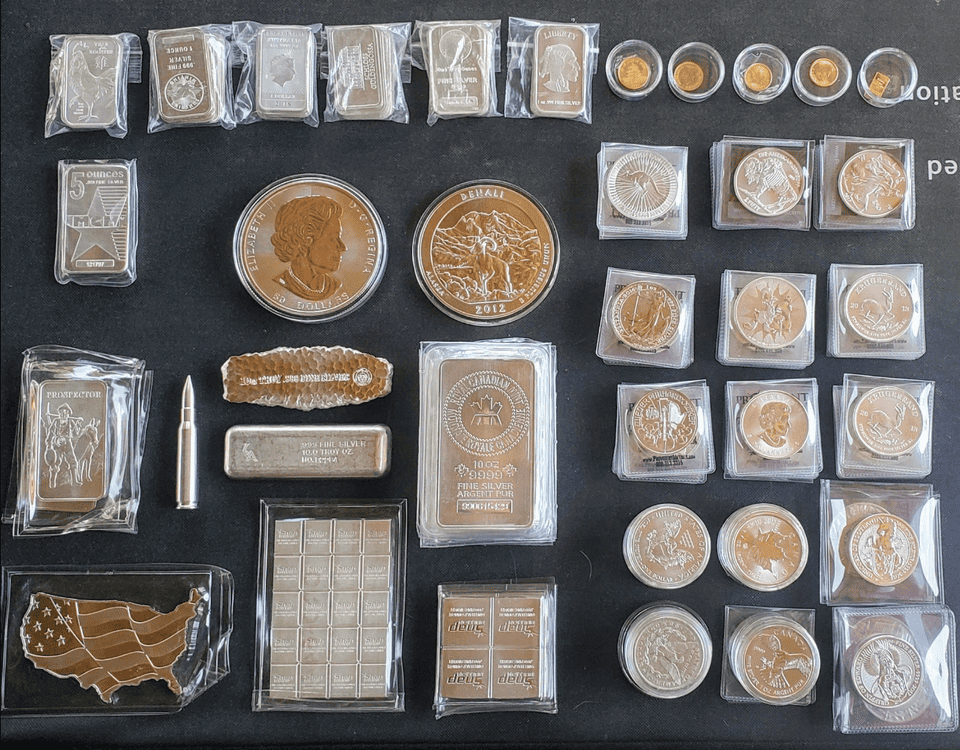
A coin collection can support a charity, but the donation should be arranged before the coins are shipped or sold. The recipient needs to know what it is accepting, the donor needs to understand the intended transaction, and the records need to match what actually happened.
Three decisions are especially important: whether you are giving property or cash, how the transfer will be handled and what documentation your tax situation requires.
1. Decide whether the gift is coins or sale proceeds
Donating coins directly and selling your own coins before donating the money are different transactions. If you sell first, you may realize a taxable gain or loss, and the later donation is a separate event. Directing a dealer to make the check payable to a charity does not automatically transform your own sale into a completed gift of property.
If the intention is for the charity to own the coins and then sell them, coordinate with the charity before arranging a binding sale. Identify when ownership transfers, who has authority to sell and whose instructions the dealer will follow. For a substantial gift, obtain appropriate tax guidance before choosing the sequence.
The amount of a deduction can also differ from market value. The IRS explains that tangible personal property put to an unrelated use, including an item donated for an ordinary fundraising sale, can be subject to a basis limitation. Do not assume an appreciated coin collection receives the same treatment as appreciated publicly traded stock.
2. Confirm acceptance and a secure transfer plan
Ask the organization whether it accepts coins, bullion or collectible property and who is authorized to receive them. Some charities may prefer cash or have procedures for noncash gifts. A familiar cause does not eliminate the need to verify the recipient and its contact information.
Prepare an inventory with descriptions, quantities and any certification details. Keep photographs and acquisition records. Agree on how receipt will be acknowledged and how the collection will be safeguarded while the charity decides what to do with it.
For delivery in person, arrange a specific appointment. For shipping, confirm the carrier's current rules and actual coverage for the contents; declared value alone does not establish that every type of coin or bullion shipment is insured. Use the verified recipient's written instructions and retain tracking and transfer records.
A dealer may be able to coordinate evaluation and a sale with the charity, but timing and payment terms should be confirmed for the particular collection. Do not rely on an old promise of a universal 24-hour payment or assume that reducing the number of shipments settles the ownership and tax questions.
3. Arrange the right documentation
A dealer inventory or purchase receipt can document the transaction, but it is not automatically a qualified charitable appraisal or the charity's required acknowledgment. Those records serve different purposes. The donor remains responsible for substantiating any deduction claimed.
IRS Publication 561 addresses donated-property valuation, including coin collections and qualified appraisals. A claimed deduction exceeding $5,000 for a collection generally requires a qualified appraisal and Form 8283, subject to the applicable rules. Similar-item aggregation can matter, so dividing a collection among gifts does not necessarily avoid the requirement.
The appraiser must meet the relevant qualification and independence requirements. A dealer's familiarity with coins does not automatically establish eligibility to perform every donation appraisal. Confirm the required valuation date, report, signatures and filing steps with the professional handling your return.
Also obtain the charity's appropriate written acknowledgment, including any required statement about goods or services provided in return. The IRS substantiation overview explains why requirements depend on the property, claimed value and recipient's use.
Atlanta Gold & Coin Buyers can discuss identifying and evaluating coins and coordinating a sale with an authorized donor or charity representative. Contact us before moving the collection. A clear arrangement helps the intended organization receive the benefit while keeping the transaction and its records consistent.

About the author
Hunter Rhodes
Owner & Managing Director, Atlanta Gold & Coin
Hunter joined Atlanta Gold & Coin in 2022 and purchased the company at the end of 2024. He has been investing in precious metals since 2010, with gold remaining his favorite metal. While he may never admit it, Hunter has a numismatic collector’s side, especially when it comes to select type coins. Libertads and Engelhard rounds are among his favorites.
Meet our team