


 Hunter Rhodes
A phone conversation can often establish a useful price indication, but the certainty depends on the product and the information available. Familiar bullion is usually easier to describe than a raw rare coin whose condition or authenticity remains uncertain.
Ask whether a figure is an estimate, a range or a firm offer subject to stated conditions. Confirm the quantity, price time and inspection requirements. A dealer's need to examine an item is not by itself a reason to distrust the business.
1. Common circulated 90% U.S. silver
Standard twentieth-century U.S. dimes, quarters and half dollars dated 1964 or earlier commonly trade as 90% silver. A dealer can often quote a rate for an identified group in typical circulated condition, while reserving the right to verify quantities and material.
A quote expressed as a multiple of face value needs no guesswork. At a hypothetical sixteen times face value, a dime is $1.60, a quarter $4 and a half dollar $8. That example explains the method; it is not a current buying rate.
Unusual wear, damage, nonstandard pieces or collectible dates may require separate evaluation. Do not apply the rule indiscriminately to every old U.S. coin or every coin with a similar appearance.
2. Raw Morgan and Peace dollars
Common circulated examples can often receive an indicative bulk rate or range. Scarce dates, better condition, cleaning and damage can change the value substantially. Provide dates and mintmarks when available and flag coins that differ from the group.
There is no universal rule that every Peace dollar is worth less than every Morgan dollar. A key date and a common date are different comparisons. A quote based on an ordinary mixed group cannot establish the value of a possible rarity.
3. Government-issued bullion coins
For recognizable bullion, provide the exact metal, fine-metal weight, product, quantity and condition. A one-ounce issue and its fractional version are different items. Proof, special-finish and collectible versions may also require a separate quote.
Prices move with both spot and product premiums. Ask when a price can be locked, what payment terms apply and whether delivery or inspection remains outstanding. A clear description supports a useful quote without eliminating authenticity checks.
4. Certified Morgan and Peace dollars
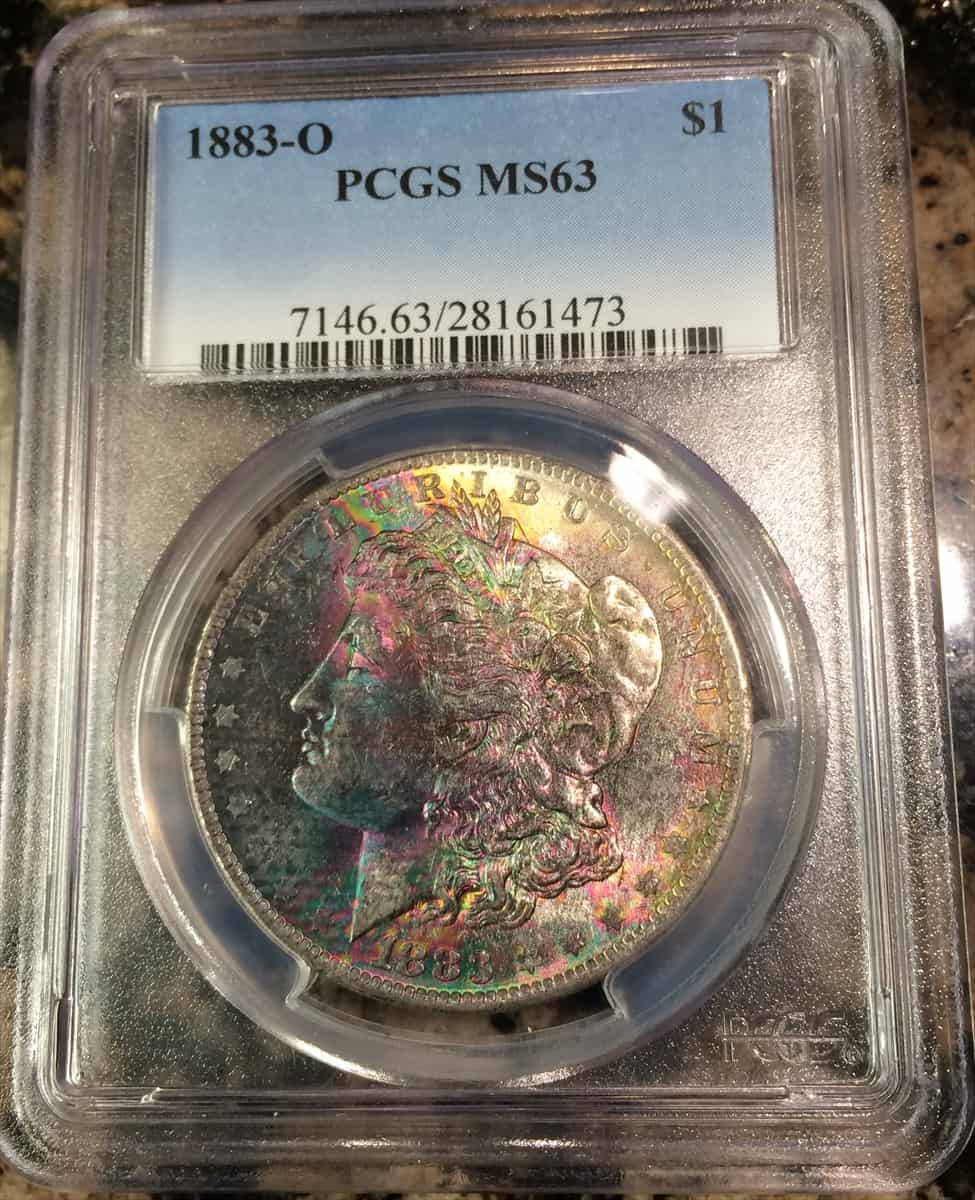
The grading service, grade, designation and certification number narrow the comparison considerably. Photographs of both sides and the holder can help a buyer assess the actual example.
Eye appeal is not excluded from professional grading: PCGS explicitly discusses it in its grading guidelines. Even so, coins with the same numerical grade can attract different buyers and prices. Attractive toning may add appeal; toning is not automatically a defect.
A certification lookup should be checked against the coin and holder. A matching number alone cannot establish that a physical item is genuine because genuine identifiers can be copied.
5. Certified pre-1933 U.S. gold
Provide the denomination, date, mintmark, service and grade. Common issues may receive an indication tied closely to gold and current premiums, while scarce issues need a collectible-market comparison.
Copper spots, surface marks and other characteristics can affect an individual buyer's interest, but they do not justify one universal discount. Do not attempt to remove a spot or open the holder before asking for an assessment.
6. Raw key dates and unusual varieties
These are often the hardest coins to price confidently at a distance. Small differences in authenticity, variety and condition may change the value dramatically. Clear photographs can support an initial discussion, but an in-person examination or specialist review may still be necessary.
Certification is not automatically required before contacting a dealer. First ask whether it is likely to be useful and economical for the particular item. Keep any original packaging and documentation, including GSA holders and associated materials, intact.
Atlanta Gold & Coin Buyers can explain what information would make a quote more useful. Contact us with the product details and your goal, then confirm the remaining conditions before treating a phone figure as a completed transaction.

About the author
Hunter Rhodes
Owner & Managing Director, Atlanta Gold & Coin
Hunter joined Atlanta Gold & Coin in 2022 and purchased the company at the end of 2024. He has been investing in precious metals since 2010, with gold remaining his favorite metal. While he may never admit it, Hunter has a numismatic collector’s side, especially when it comes to select type coins. Libertads and Engelhard rounds are among his favorites.
Meet our team