


 Hunter Rhodes
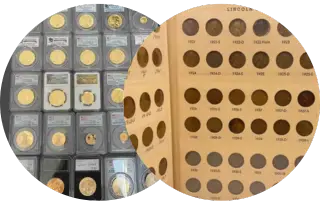
Selling an entire collection in one transaction can be convenient, especially when handling an estate or clearing storage. It can also narrow the pool of buyers. A dealer may be interested in some items while lacking a practical resale market for others.
Deciding whether to sell everything together involves a tradeoff between convenience, potential proceeds and the work you are willing to do.
Why a dealer may offer to buy only part
Collections often combine bullion, certified rarities, albums, proof sets, currency and low-value loose coins. These items can require different expertise, storage and selling channels. The time needed to inventory, transport and resell them affects the economics of a purchase.
A dealer's limited interest does not establish that the remaining pieces are worthless. It may mean those pieces are outside the dealer's specialty or do not fit its current inventory needs.
Compare a whole-collection offer with separate offers
If convenience is important, ask whether the dealer will quote for the entire collection and explain any groups that materially affect the total. Then consider whether selling selected groups elsewhere could improve net proceeds enough to justify the extra work.
For example, a hypothetical whole-collection offer of $5,000 might be compared with separate expected proceeds of $5,400. If the second route involves $250 in fees and shipping, plus several appointments, the real difference is smaller than the headline figures suggest. These numbers illustrate the comparison; they are not a quote for any particular collection.
Identify significant pieces before dividing the collection
Preserve the original organization, holders and supporting records until the important items are identified. Breaking up a documented set or separating a coin from useful packaging can make the remaining material harder to evaluate.
A selective offer deserves scrutiny if the valuable pieces have not been clearly identified or if the value of the remainder is uncertain. Ask what is excluded and why. A detailed appraisal or another specialist's opinion may be appropriate before committing to a substantial sale.
State your priorities without making assumptions
It is reasonable to prefer a single sale. Tell the buyer whether that preference is firm and whether speed, price or minimal handling matters most. The buyer can then explain whether it can meet those terms.
If a dealer declines, consider another buyer, a suitable consignment service or separate sales by category. Compare actual fees, payment timing and responsibility for unsold items. Neither seller nor buyer is obliged to accept an arrangement that does not fit.
Contact Atlanta Gold & Coin Buyers with a rough inventory and your preferred selling approach. That gives us a better basis for discussing what we can evaluate and which options may be useful for the collection.

About the author
Hunter Rhodes
Owner & Managing Director, Atlanta Gold & Coin
Hunter joined Atlanta Gold & Coin in 2022 and purchased the company at the end of 2024. He has been investing in precious metals since 2010, with gold remaining his favorite metal. While he may never admit it, Hunter has a numismatic collector’s side, especially when it comes to select type coins. Libertads and Engelhard rounds are among his favorites.
Meet our team