


 Hunter Rhodes
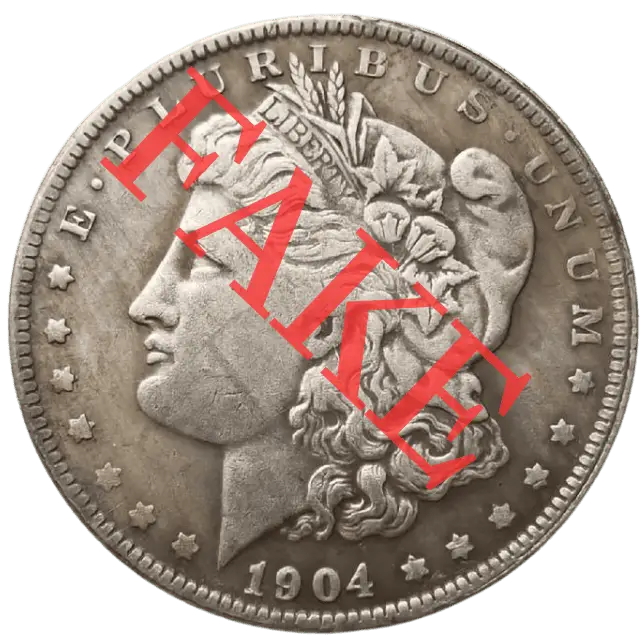
A professional-looking holder does not make a Morgan dollar authentic. Counterfeiters can copy labels, certification numbers and features of grading-service packaging. An otherwise genuine coin can also be placed in misleading packaging. Evaluate the coin and the holder together before relying on the grade or value shown.
This does not mean certification is useless. It means the service's actual record must be connected to the physical item offered, with further examination when the evidence does not agree.
Begin with the service's own verification page
Navigate independently to PCGS certification verification or NGC certification verification, as appropriate. Enter the complete number and compare the recorded date, mintmark, denomination, grade and any variety or special designation with the holder.
A mismatch requires clarification before purchase. A successful lookup is useful but not conclusive: it proves that a record exists for the number, not that the coin in front of you is the one originally certified. PCGS's verification guidance specifically explains the importance of using the available information carefully.
If a seller has several supposedly distinct coins with identical complete certification identifiers, investigate. Some numbering systems contain shared portions, so compare the full identifier rather than only the first digits.
Compare available reference images
When the service provides photographs, compare recognizable marks, toning patterns and design details on both sides. A different scratch pattern or different toning arrangement may indicate that the pictured certified coin is not the item offered. Lighting can alter appearance, so examine the overall evidence rather than a single color difference.
Not every historical certification record includes photographs. Missing images do not automatically make a coin counterfeit, but they remove one useful comparison. Contact the grading service when a significant inconsistency remains.
Check whether the coin supports the description
A holder claiming Mint State should not be accepted uncritically when the coin appears heavily worn. For a Morgan dollar, examine the high points, fields and remaining luster together. Strike weakness can resemble wear, and limited photographs may not resolve the distinction.
Photo grading guides can help identify obvious inconsistencies, but they are not authentication services. A genuine-looking design or plausible grade does not establish that a mintmark is original, the surfaces are unaltered or the holder is genuine. Valuable dates deserve specialist attention.
Do not judge authenticity from how a seller reacts to questions. Anger, calmness or familiarity with coin terminology does not prove knowledge of a counterfeit. Focus on documented features and obtain an independent assessment.
Examine the transaction as well as the object
Confirm the seller's identity and review the exact-coin images, written description, payment terms and return process. A platform's screening or a long sales history can help provide context, but neither guarantees every listing is accurate.
A price far below credible comparisons deserves an explanation. It could reflect a problem coin, a different variety or a misleading listing rather than a lucky opportunity. Do not let an urgent deadline prevent appropriate checks on a costly purchase.
What to do when something seems wrong
Pause the transaction and preserve the listing, messages, receipt and photographs. Ask the relevant grading service or an experienced specialist how to proceed. Keep the coin in its holder unless a qualified examiner directs otherwise; opening it can destroy useful evidence and complicate a return.
If the item has already been purchased, contact the seller or payment provider within the applicable dispute period. Do not pass a suspect coin to another buyer as authentic while the concern remains unresolved.
Atlanta Gold & Coin Buyers can discuss a Morgan dollar that needs further evaluation and help determine whether specialist authentication is warranted. Contact us with clear images of both sides and the complete holder. The objective is evidence about the particular coin, rather than reassurance based on its packaging alone.

About the author
Hunter Rhodes
Owner & Managing Director, Atlanta Gold & Coin
Hunter joined Atlanta Gold & Coin in 2022 and purchased the company at the end of 2024. He has been investing in precious metals since 2010, with gold remaining his favorite metal. While he may never admit it, Hunter has a numismatic collector’s side, especially when it comes to select type coins. Libertads and Engelhard rounds are among his favorites.
Meet our team