A Closer Look at American Commemorative Coins
For seasoned collectors and those just beginning, commemorative coins can be among the most distinctive and enjoyable coin types. Nearly every country throughout history has issued commemorative coinage to mark important people, places, and events, and the United States has done the same.
History and Purpose
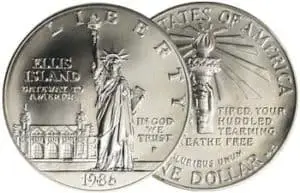
Official U.S. commemorative coins began in 1892 with a half dollar recognizing the 400th anniversary of Christopher Columbus’s voyage. It is commonly known as the Columbian Exposition half dollar. Many additional issues followed over the decades, largely for special-interest groups that had worked with Congress. The final “classic” commemorative issues came in 1954, when the Carver/Washington half dollar was produced.
The United States Commemorative Coin program did not begin issuing new coins until 1982. It opened with the Washington commemorative half dollar, issued for the 250th anniversary of Washington’s birth. After that, many United States Mint products marked an event or place, including the 2014 coin honoring baseball and America the Beautiful quarters recognizing national parks. When this article was originally published, numerous varieties existed for collectors, buyers, and sellers to explore.
Why Collect Commemorative Coins?
U.S. commemorative coins are technically legal tender, but they are more than ordinary change. The original article explained that buying and collecting them could also support the country. Because they were priced above face value and their intrinsic gold or silver content, the additional funds supported public projects such as museum construction, national-monument maintenance, Olympic programs, and more.
Dedicated collectors, particularly those approaching a collection as an investment, may also be interested in commemoratives because of their rarity and possible value. At the time of publication, readers were invited to view Atlanta Gold & Coin’s full list of rates and prices. Modern commemoratives are generally collected by type and, ideally, with original Mint packaging. Collectors often choose one finish, such as uncirculated or proof, while more advanced collectors may pursue every mintmark and variation.
The original article described searching as a practical way to begin adding commemorative coins to collections of every size. At the time it was published, Atlanta Gold & Coin Buyers reported having a large inventory for visitors to browse and offering free no-obligation appraisals of coins and bullion. Readers were invited to contact the business at 404-236-9744.