


 Hunter Rhodes
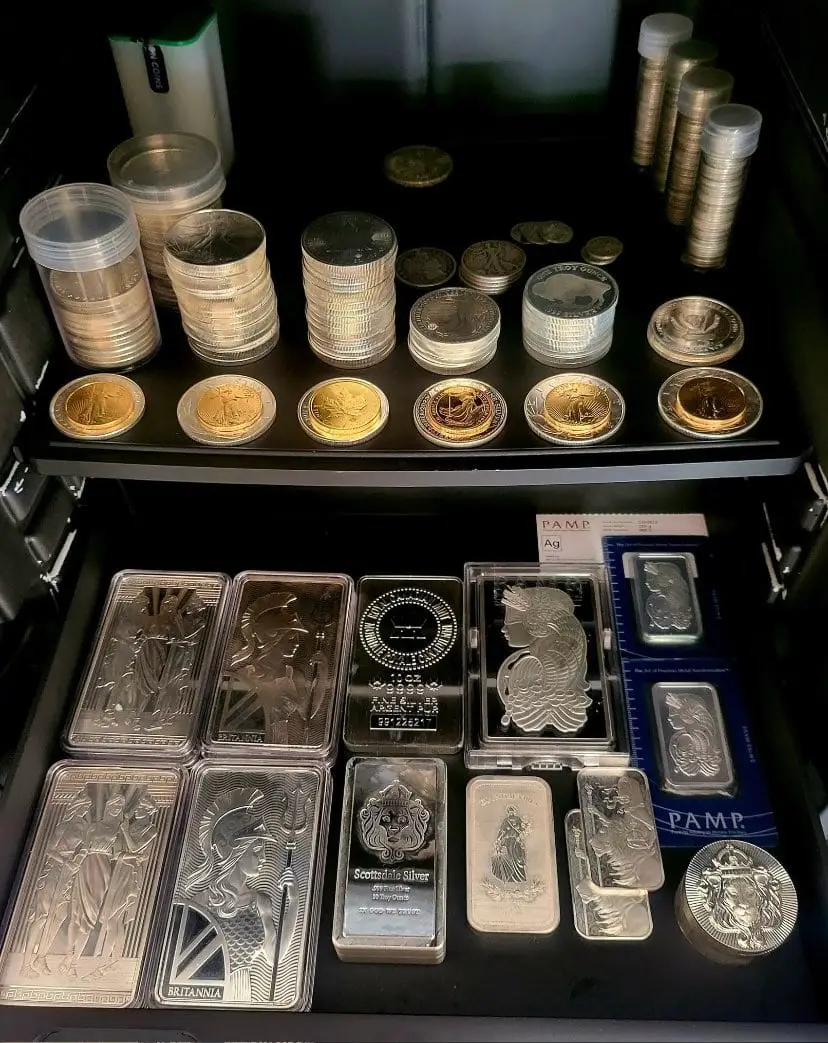
Your first precious-metals purchase should leave you understanding what you own, what it cost and how you could sell it later. You do not need to master every coin series or predict the next market move. A clear purpose and a manageable budget are better starting points.
These eight considerations cover the decisions that tend to matter most for a new buyer. Work through them before responding to a promotion or committing a large amount to an unfamiliar product.
1. Decide whether the goal is collecting, metal exposure or both
A collectible coin's price can depend heavily on rarity, condition and demand for its particular issue. Bullion is generally bought primarily for its precious-metal content, although it also carries a product premium.
The distinction is not perfectly sharp. A bullion coin can develop a collectible premium, while a common historic coin may trade close to metal value. A Morgan dollar's mintmark alone does not determine which category it belongs in; the date, grade and variety can change the comparison.
If you enjoy collecting, budget for that enjoyment deliberately. If you mainly want metal exposure, ask why any added collectible premium is worth paying. Avoid purchasing a specialized coin simply because it has been described as rare.
2. Learn one area before expanding
Choose a small group of products or a single collecting series to research first. Learn the specifications, common conditions, likely premiums and the types of buyers who handle them. A focused comparison is easier than evaluating dozens of unrelated offers.
Price guides can help with identification and relative values. Completed sales can add market evidence, provided the coins are genuinely comparable. Keep asking prices, auction totals and dealer bids separate.
For expensive collectible pieces, authentication and grading uncertainty may justify specialist help. Do not assume a photograph or an app establishes the exact condition or variety of a coin.
3. Understand coins, rounds and bars
Bullion is a broad term that includes government-issued bullion coins and privately produced bars and rounds. A round may resemble a coin but generally has no government-issued legal-tender denomination. A bar is another form in which precious metal is fabricated and sold.
The denomination on a bullion coin is different from its metal value. A one-ounce American Silver Eagle has a $1 face value, while its transaction price is determined by the market for the actual silver coin.
Read fine-metal weight and purity together. A one-ounce fine-gold coin made with an alloy can weigh more than one ounce in total. Conversely, a historic silver dollar is not automatically a one-ounce silver product. Use the specification for the exact issue.
4. Compare complete prices and resale spreads
Spot is a wholesale market reference, not a promise that a finished retail coin can be bought or sold at that exact figure. Fabrication, distribution, dealer costs and product demand affect retail premiums.
Ask for the total price, including applicable charges, and a current buying indication for the same item. A low advertised premium may be less attractive after payment or shipping costs. A high premium on a popular product may not be fully recovered at resale.
Premiums change. A product that was inexpensive relative to alternatives last month may not be the best value today. Compare quotes for the same quantities and conditions within a similar market period.
5. Compare gold and silver without assuming either is risk-free
Gold stores considerable value in a small physical space. Silver can offer smaller purchase amounts but requires more storage for the same dollar value. Both prices fluctuate, and silver can experience substantial volatility.
Silver's industrial uses add another source of demand, but they do not guarantee a shortage or higher prices. Gold's history as a monetary asset does not guarantee that it will preserve purchasing power over every holding period.
Think about how you would respond to a decline and whether you might need to sell at an inconvenient time. Neither metal generates interest or dividends. Any eventual gain depends on resale proceeds exceeding your total costs.
6. Treat the gold-to-silver ratio as a comparison, not a command
The ratio divides the gold price per troy ounce by the silver price per troy ounce. Use prices in the same currency and at a comparable time. At hypothetical prices of $3,000 gold and $30 silver, the ratio is 100 to one.
That calculation does not prove which metal is undervalued. Historical averages depend on the chosen period, and there is no rule requiring the ratio to return to one particular level. Physical premiums and selling spreads also affect the cost of changing a holding.
Choose any gold-and-silver mix in light of your purpose, budget and tolerance for fluctuations. A familiar 70/30 or 80/20 split is not a universal standard.
7. Set a limit within your overall finances
Decide how much you can commit while preserving money needed for expenses, emergencies and other goals. A dealer can explain products, but a broader allocation decision may call for a qualified financial adviser who understands your circumstances.
Diversification can reduce concentration in one kind of asset, but it does not guarantee a profit or lower volatility in every period. Correlations change, and a large position in metals can introduce its own concentration risk.
A gradual purchase plan may help with budgeting, although repeated small orders can increase costs. Buying a fixed dollar amount is different from committing to the same number of ounces regardless of price. Make the chosen schedule affordable.
8. Plan custody, documentation and eventual sale
Establish secure storage before delivery and verify insurance terms. Keep invoices and an inventory that identifies products, quantities and costs. Preserve holders and packaging where relevant, and avoid cleaning collectible coins.
Direct possession, third-party storage and a fund share provide different ownership and access arrangements. None should be judged only by a slogan. Examine who holds the asset, what access is available and what costs or restrictions apply.
Ask how a future sale would work, including verification, payment timing and whether partial sales are practical. No product is guaranteed acceptance in private barter, so do not substitute an uncertain barter assumption for accessible household reserves.
Atlanta Gold & Coin Buyers can help compare specific products and current transaction terms. Contact us with your intended budget and questions. A successful first purchase begins with an informed choice you can explain in your own words.

About the author
Hunter Rhodes
Owner & Managing Director, Atlanta Gold & Coin
Hunter joined Atlanta Gold & Coin in 2022 and purchased the company at the end of 2024. He has been investing in precious metals since 2010, with gold remaining his favorite metal. While he may never admit it, Hunter has a numismatic collector’s side, especially when it comes to select type coins. Libertads and Engelhard rounds are among his favorites.
Meet our team