


 Hunter Rhodes
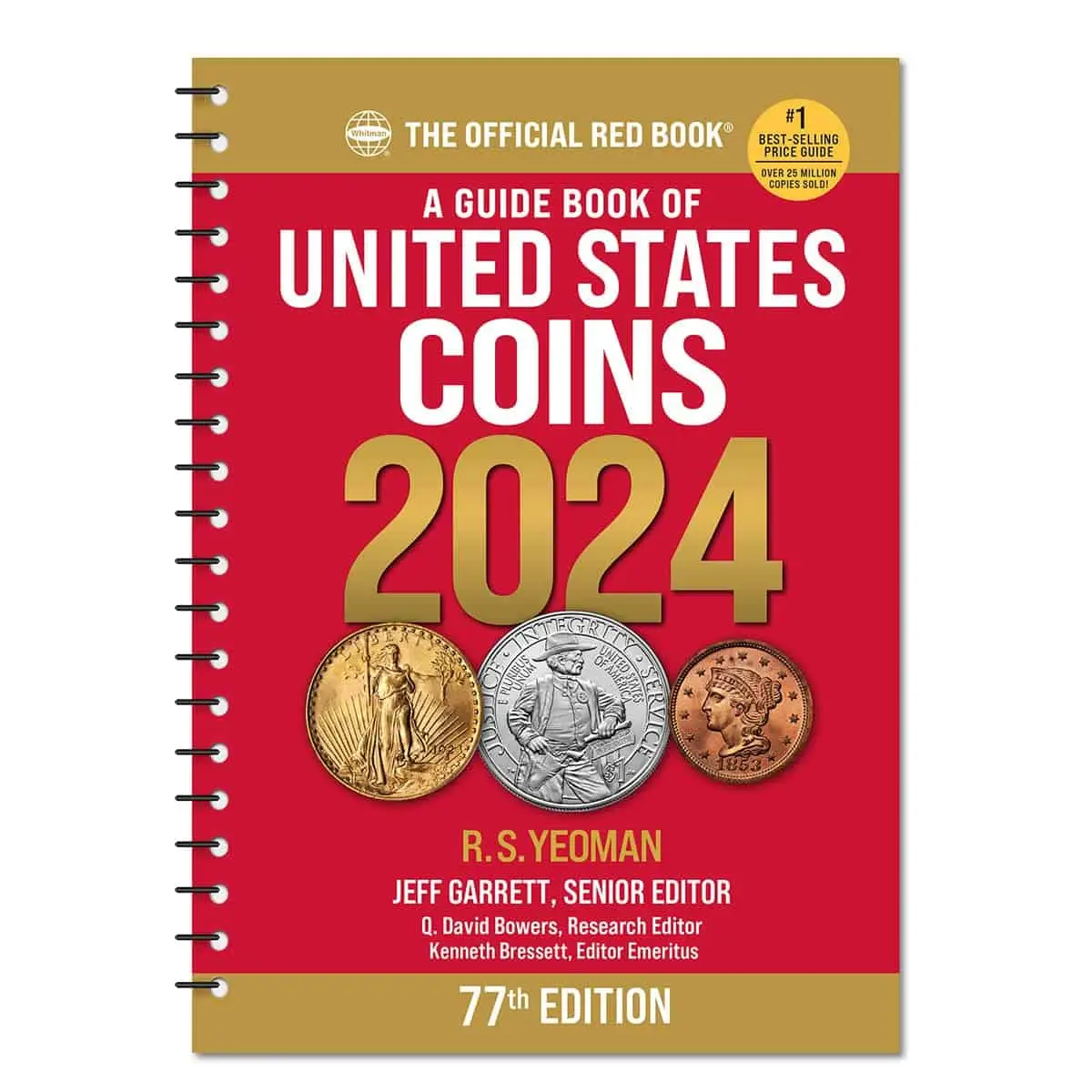
The Red Book is a useful starting point for identifying U.S. coins and understanding how their values differ. It helps connect a coin's design, date, mintmark and condition with a particular listing. The next step is knowing what that listing can tell you—and what still requires inspection or current market research.
A figure in a price guide is not a standing purchase offer. Use the book to organize your questions, then compare the right coin with appropriate market evidence before deciding what to buy, sell or submit for an appraisal.
Begin with identification, not the highest price
Find the correct denomination and design series. Check the year, mintmark and any listed variety. Similar-looking coins can belong to different issues, and an unusual variety generally needs more evidence than a resemblance to an online photograph.
Mintmarks are especially important. A 1916-D Mercury dime had a mintage of 264,000 and is a recognized key date. A Philadelphia coin of the same date is a different issue. Because valuable dates attract altered coins and counterfeits, identifying a small “D” is only the beginning of authentication. PCGS's reference for the 1916-D explains both its scarcity and the counterfeit concern.
The absence of a mintmark is normal for many U.S. coins. Do not assume it represents a valuable manufacturing error. Look up the mintmark practices for that particular series and year instead of applying a rule from a different denomination.
Match condition to the appropriate column
The Red Book provides values at selected grades. Wear, surface damage and manufacturing characteristics determine whether a coin belongs near one of those descriptions. A coin does not earn the highest listed value simply because its date is readable or its surface is shiny.
The guide is not restricted to certified Mint State coins. Its coverage includes circulated grades as well. A raw coin can be researched in the book, but the owner's estimated grade may be uncertain. Certification can help establish an accepted grade and authenticity for a valuable piece; it does not guarantee the guide's price in a sale.
Cleaning, scratches, corrosion and other problems can make a straight-grade comparison misleading. Do not polish a coin to make it resemble a brighter illustration. Leave original surfaces alone and seek an examination when condition materially affects the value.
Understand the price being quoted
Whitman describes the Red Book as a retail pricing reference. Retail value generally addresses the collector's buying side of the market. A dealer's bid addresses what that business can pay for the particular item under current conditions.
The difference can reflect resale demand, inventory, authentication work, overhead and the risk of holding the coin. It is not a fixed percentage that applies to every issue. Multiplying every Red Book, Blue Book or Greysheet figure by 70% or 80% does not produce a reliable collection offer.
Likewise, a completed auction price may include a buyer's premium, while a seller received less after fees. Compare the same grade, designation, condition and transaction basis. An exceptional auction record is useful context but rarely a sensible default for an ordinary example.
Check the edition and the market date
A printed annual guide is a snapshot, not a live quote. Publication schedules and changing demand mean its figures may differ from today's transactions. That matters particularly for bullion and common gold or silver coins whose values move with metal prices.
Separate the coin's fine-metal value from its collectible premium. A scarce date can trade well above metal value, while a common worn coin may track it more closely. Neither relationship can be established by looking at gross weight alone or by treating every silver dollar as one ounce of pure silver.
Turn research into a useful inventory
Record the denomination, date, mintmark, quantity, holder information and any uncertainties. Keep photographs with the inventory and distinguish confirmed identifications from possible varieties. This gives a dealer or appraiser a much stronger starting point than a single total built from the highest book prices.
If you need an insurance, estate, tax or court-related valuation, first establish the required value definition, effective date and report requirements with the intended recipient. A current retail guide or purchase offer does not automatically satisfy those requirements.
Atlanta Gold & Coin Buyers can help you move from preliminary research to an examination and an appropriate quote or appraisal. Review our appraisal options and explain the purpose of your valuation when scheduling. Bring the book if it has raised questions—we can discuss the specific listings and the coins behind them.

About the author
Hunter Rhodes
Owner & Managing Director, Atlanta Gold & Coin
Hunter joined Atlanta Gold & Coin in 2022 and purchased the company at the end of 2024. He has been investing in precious metals since 2010, with gold remaining his favorite metal. While he may never admit it, Hunter has a numismatic collector’s side, especially when it comes to select type coins. Libertads and Engelhard rounds are among his favorites.
Meet our team