


 Hunter Rhodes
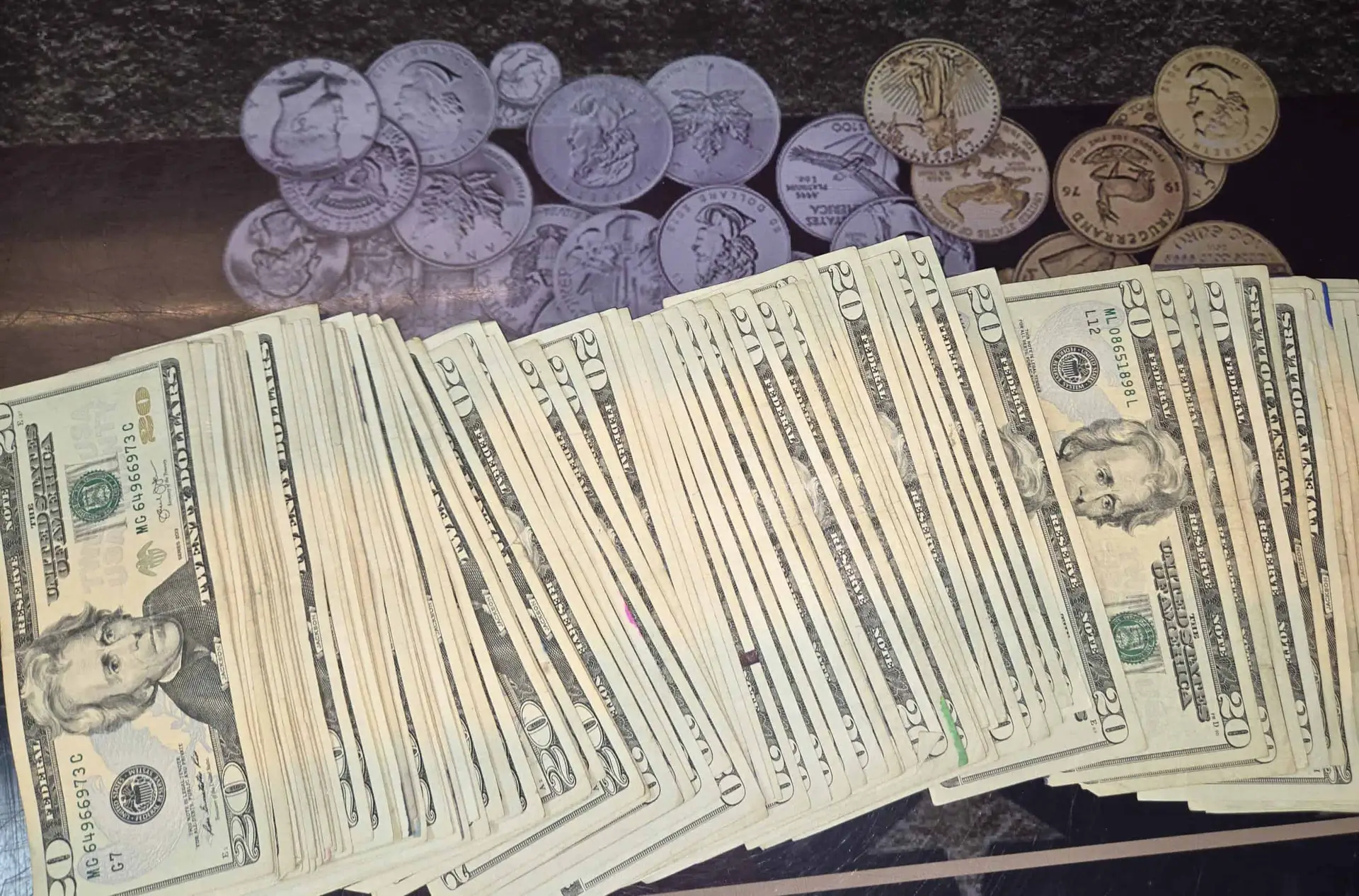
A cash purchase of gold or silver is not automatically limited to $10,000. That amount is associated with federal cash-reporting rules, not a general legal ceiling on how much bullion a person may buy. A dealer may have its own payment limits and documentation requirements, so confirm those before arranging a transaction.
Reviewed September 8, 2026. The rules below distinguish federal reporting from a business's cash policy and from state sales or use tax. Those are separate questions.
When Form 8300 is generally required
A trade or business generally files Form 8300 when it receives more than $10,000 in qualifying cash in one transaction or related transactions. The business receiving the payment handles the filing; the customer supplies information needed to complete it.
The IRS reference guide explains that related transactions include payments within twenty-four hours and connected transactions farther apart. Changing the calendar date does not necessarily make a purchase unrelated.
Do not divide payments, use another person or arrange separate visits to evade reporting. Family relationships do not create an automatic separate allowance, nor does marriage alone mean that two people are universally treated as one buyer. The payer, any person represented and the connection between transactions matter.
What counts as cash
The definition includes U.S. and foreign currency. Certain cashier's checks, money orders, bank drafts and traveler's checks of $10,000 or less can also count in specified circumstances. Personal checks and transfers from financial institutions generally are not cash for this form.
These distinctions concern reporting, not a method for avoiding it. Describe the intended payment accurately and ask the dealer to confirm how it is handled. A bank may have separate reporting obligations relating to funds or payment instruments.
Installments and information requests
The Form 8300 instructions address multiple payments for one transaction or related transactions. Qualifying cash payments can need to be aggregated within a twelve-month period, with a filing generally due within fifteen days after the payment that causes the total to exceed the threshold.
A reporting obligation can require identifying information about the payer and, where applicable, the person on whose behalf the purchase is made. Cash does not guarantee an anonymous transaction. Required reporting is not an additional tax on the purchase or proof that the customer has done something wrong.
A dealer can set a separate cash policy
A business may limit the cash it accepts because of security, staffing, banking arrangements or internal procedures. That policy can be more restrictive than what the law permits. Ask about accepted payment methods and identification before bringing funds to an appointment.
Confirm the product, quantity, total price and when the price is locked. Also establish when the items can be collected and what receipt will document the purchase. Keep that record for your own inventory and future tax-basis calculations.
Sales and use tax are separate
There is no reliable nationwide rule that every coin or bullion product is exempt. Treatment can depend on the jurisdiction, product, transaction date and applicable delivery or sourcing rules. A dealer's collection obligation and a buyer's possible use-tax obligation are not the same question.
The old May 2024 state-by-state chart has been replaced because it should not be used to determine a current transaction's tax treatment. Consult the relevant state revenue department; Georgia's sales and use tax resources are a starting point for Georgia transactions.
Contact Atlanta Gold & Coin Buyers to confirm current payment arrangements and transaction terms. For an unusual payment structure or tax question, obtain advice specific to the actual facts before the purchase.

About the author
Hunter Rhodes
Owner & Managing Director, Atlanta Gold & Coin
Hunter joined Atlanta Gold & Coin in 2022 and purchased the company at the end of 2024. He has been investing in precious metals since 2010, with gold remaining his favorite metal. While he may never admit it, Hunter has a numismatic collector’s side, especially when it comes to select type coins. Libertads and Engelhard rounds are among his favorites.
Meet our team