


 Hunter Rhodes
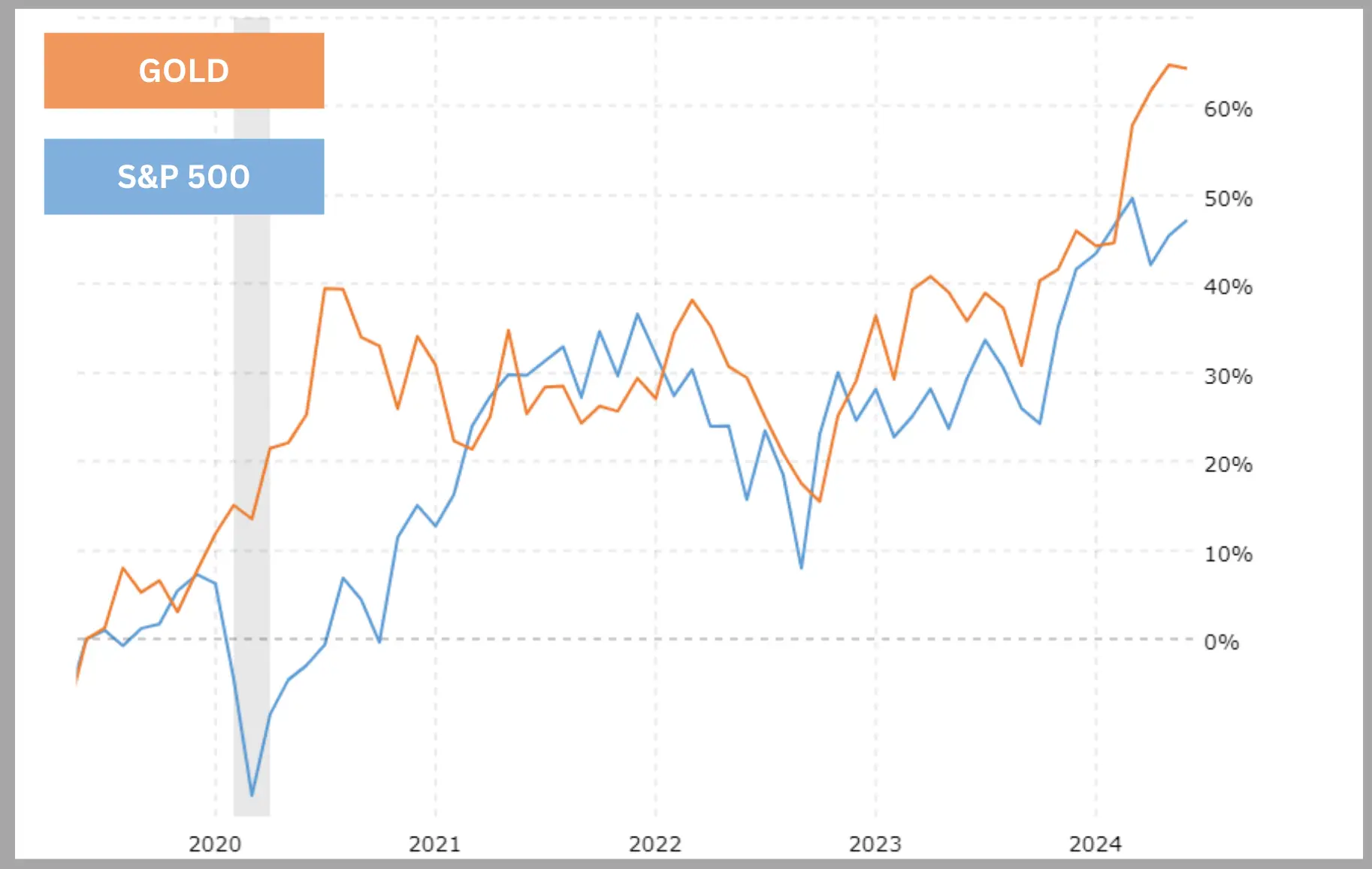
Owning a gold coin, a mining-company share and a metals-fund share creates three different exposures. They can respond to the same metal price, but their costs, ownership rights and additional risks differ. Comparing them accurately is more useful than describing every electronic investment as the same thing.
Start with the purpose: direct possession, convenient price exposure or participation in a business. Then review the particular product rather than assuming the category tells you everything you need to know.
What you own
A genuine coin or bar in your possession is a physical asset. It does not depend on a mining company's future profits to exist. You remain responsible for safekeeping, authenticity and finding an acceptable buyer when you want to sell.
A mining share is ownership in a company. Its performance can depend on production costs, reserves, financing, management and the jurisdictions where it operates, as well as metal prices. It is not a receipt for an equivalent quantity of bullion.
A metals fund can hold physical bullion, derivatives, mining shares or another mix described in its governing documents. Read the prospectus. The label “gold investment” does not establish the underlying structure.
Why transaction costs differ
Physical retail products involve fabrication, distribution, verification and handling. Their selling prices and dealer buying prices can therefore have a meaningful gap. Storage, shipping and insurance add other possible costs.
A frequently traded fund share may have a narrower market spread, but commission-free trading is not cost-free ownership. Fund expenses, spreads and account charges can still affect returns. Mutual funds and exchange-traded products also use different trading and pricing mechanisms.
Compare the full expected cost over your intended holding period. Repeated purchases and sales of physical coins can make the spread especially significant. Paying a collectible premium creates another variable beyond the metal price itself.
Counterparty and custody risks require precision
Direct possession avoids relying on a custodian to return that particular holding. It does not erase every transaction risk: the seller's authenticity representations, safe delivery and future buyer's payment still matter. Theft, loss and damage remain possible after delivery.
Third-party storage adds contractual questions about ownership, access, insurance and what happens if the provider fails. Allocated and unallocated arrangements should not be assumed to offer the same rights. Verify the actual agreement.
It is incorrect to assume that metals funds are all unbacked or unaudited. SPDR Gold Shares, for example, publishes bar lists and independent inspection information. Such disclosures do not remove all risks, but they should be considered instead of relying on rumors about an entire category.
Brokerage records do not mean an investor owns nothing
Many securities are held in street name. The SEC's explanation of securities ownership distinguishes the intermediary's registered name from the customer's beneficial ownership recorded by the broker.
That arrangement has operational and legal features worth understanding. It is not the same as saying the broker simply owns the customer's investment for its own benefit. Ask about custody, account protections, direct-registration options where available and the treatment of assets in a failure.
Likewise, bank deposits and securities are different claims with different protections. An assertion that a law automatically turns all ordinary deposits into worthless bank shares is not a sound basis for comparing investments.
Access and redemption depend on the arrangement
A coin at home is directly accessible subject to your storage arrangements. A depository holding may involve hours, notices, shipping and fees. A fund share generally trades through market infrastructure, and retail holders should not assume they can redeem a small position for physical coins.
Review the circumstances in which access could be delayed. Direct possession can reduce one kind of dependence while introducing other risks. No custody choice is automatically best for every amount, household or purpose.
Physical metal still faces broader risks
Geopolitical events can affect metal prices, transportation, market access and legal or tax rules. Owning a coin does not make these influences disappear, although it avoids the operating risks of a particular mining company.
Private barter also requires agreement about value and authenticity. Gold or silver is not guaranteed access to goods during a disruption. Keep practical reserves and payment options appropriate to your household rather than relying on a single emergency scenario.
Atlanta Gold & Coin Buyers can explain current physical-product quotes and resale terms. Contact us if direct ownership fits your goals, and compare that choice with the costs and rights of the alternatives you are considering.

About the author
Hunter Rhodes
Owner & Managing Director, Atlanta Gold & Coin
Hunter joined Atlanta Gold & Coin in 2022 and purchased the company at the end of 2024. He has been investing in precious metals since 2010, with gold remaining his favorite metal. While he may never admit it, Hunter has a numismatic collector’s side, especially when it comes to select type coins. Libertads and Engelhard rounds are among his favorites.
Meet our team