


 Hunter Rhodes
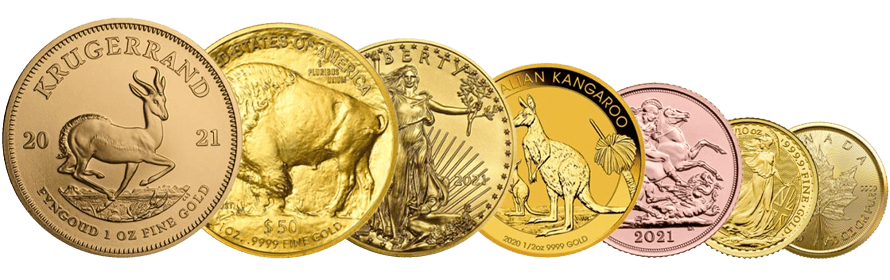
Your first gold coin purchase should leave you understanding what you bought, what it cost and how you could sell it. Confidence comes from answering those questions at a manageable pace. It does not require buying immediately or predicting the next move in gold.
New buyers encounter plenty of urgency online: warnings about missing a rally, claims of certain protection and promises that a particular coin cannot lose. Treat those messages as reasons to examine the offer carefully. Gold can decline, and ownership brings expenses beyond the metal price.
Decide what the purchase is meant to do
Write down the purpose before choosing a coin. You might want a limited holding of physical gold, a historically interesting collectible or a gift. Those are different goals, and the product that best fits one may add unnecessary cost for another.
Consider the purchase within your broader finances. Near-term bills, emergency savings and expensive debt deserve attention before funds are committed to an asset that may need to be sold at an unfavorable time. The SEC's asset-allocation guidance explains why time horizon and risk tolerance matter.
There is no requirement to complete the decision during the first conversation with a dealer. If a quote or product remains unclear, ask for an explanation or step back and compare another option.
Choose a manageable amount
A smaller initial purchase can make the process easier to learn, provided that the total cost fits your budget. There is no industry-wide rule that a first purchase must contain at least half an ounce of gold. Ask the particular dealer about availability, minimums and appointment requirements.
Fractional coins provide smaller fine-gold amounts, often with a higher premium per ounce. Compare that tradeoff with waiting until a larger purchase is comfortable. Silver is a different metal with its own risks; it should not be treated as an automatic substitute simply because one gold product costs more than expected.
Understand bullion and collectible value
Bullion describes precious metal held primarily for its metal content. It can take the form of coins, bars or rounds. A government-issued coin may be bullion; the terms are not opposites.
Modern gold bullion coins include American Eagles, American Buffaloes, Canadian Maple Leafs, South African Krugerrands and Austrian Philharmonics. Check the exact issue and stated fine-gold amount. A familiar series name does not identify every size or composition released under that name.
The U.S. Mint's bullion specifications explain that a one-ounce Gold Eagle contains one troy ounce of fine gold plus alloy metals. The American Buffalo uses .9999 fine gold. Purity and fine-gold quantity are related but different measurements.
Older gold coins may have both metal and collector value. The term “semi-numismatic” is often used informally for such products, but it is not a precise guarantee about premium or future demand. A common-date example and a scarce date in a high grade can behave very differently.
For a purchase driven mainly by rarity, learn the series, grading and comparable sales before committing. Certification can help document an opinion about authenticity and condition, but the holder does not establish that the asking price is reasonable.
Compare complete quotes
Ask for the product, quantity, condition, fine-metal content, total price and payment terms in writing. Record when the quote expires and whether the item is actually available for delivery or pickup.
To compare equal metal amounts, calculate price per fine troy ounce. Then ask what an equivalent item would receive in a current buyback quote. That difference makes the purchase-and-resale cost easier to understand than a premium alone.
A lower spot price does not ensure a lower retail price if the product premium rises. The reverse can also happen. Do not assume premiums will always offset a decline or that a popular coin cannot fall in value.
Select products for practical reasons
Recognition, condition, authenticity, local demand and transaction costs can all influence a choice. Ask prospective buyers which products they handle and how they value differences in condition or packaging.
Buying several gold designs may offer variety and different selling options, but it does not remove exposure to gold itself. Likewise, the history of pre-1933 U.S. coins is not a guarantee that they would receive special treatment under any future law.
A useful first product is one you can identify and price without relying on an elaborate sales story. There is no universal coin that every beginner should choose.
Compare local and online purchasing on the same terms
A local appointment can provide an opportunity to inspect available items, ask questions and arrange pickup. An online dealer may also offer support and competitive terms. Compare actual service, total cost, delivery arrangements and return policies rather than assuming one channel is always superior.
Verify payment instructions through an independently established business contact. Understand shipping insurance and the procedure for a delivery problem before money changes hands. Retain the invoice and relevant correspondence.
Plan storage before you buy
Personal possession gives direct access but requires appropriate security and consideration of insurance. Third-party storage can provide different protections and conveniences, with custody terms, access rules and fees that need review.
The phrase “if you do not hold it, you do not own it” oversimplifies legal ownership. What matters is the actual arrangement. Retirement-account metals also involve separate custody and tax rules; do not substitute a home-storage slogan for those requirements.
Prepare questions for the dealer
List the questions you need answered: identification, price calculation, authentication, storage, resale and transaction timing. If you want an extended education session or written appraisal, confirm its scope and any fee before booking. A purchase conversation and a formal appraisal are different services.
Contact Atlanta Gold & Coin Buyers with your goals and budget range. The right first step is a purchase you understand and can afford, or a clear decision to wait until those conditions are met.

About the author
Hunter Rhodes
Owner & Managing Director, Atlanta Gold & Coin
Hunter joined Atlanta Gold & Coin in 2022 and purchased the company at the end of 2024. He has been investing in precious metals since 2010, with gold remaining his favorite metal. While he may never admit it, Hunter has a numismatic collector’s side, especially when it comes to select type coins. Libertads and Engelhard rounds are among his favorites.
Meet our team