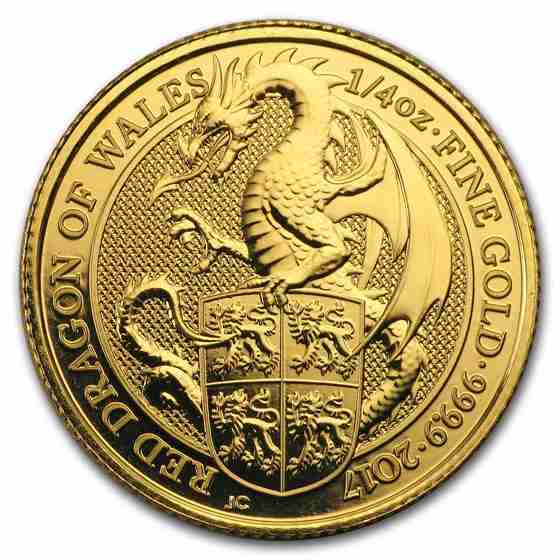
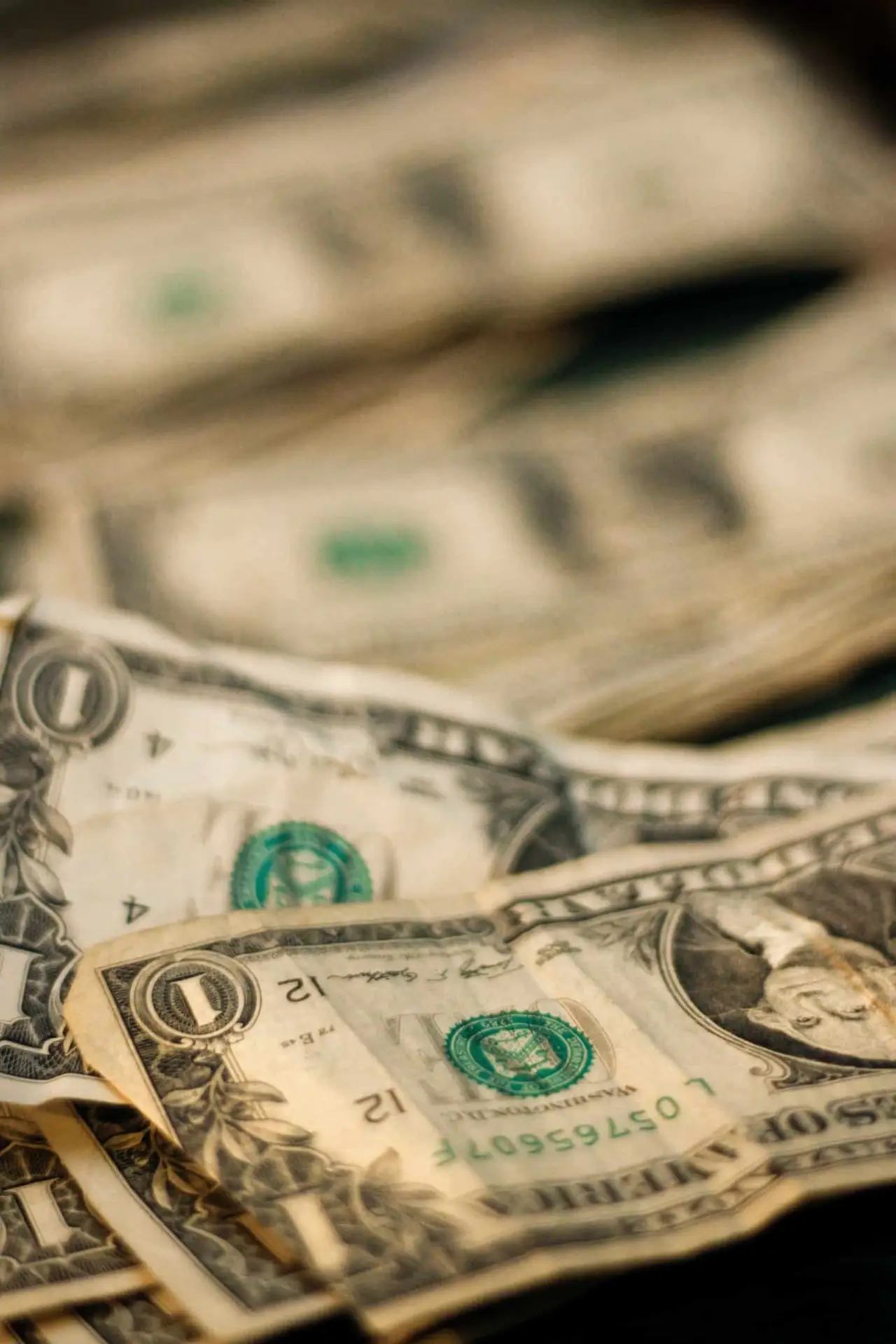
 People may picture piles of rare and historically important coins as the only kind of monetary collecting, but that picture is incomplete. Collecting paper money can be equally enjoyable and rewarding, while opening a window onto a global history as rich as coin collecting.
Paper and Coins
Money is money in a technical sense, but paper currency and coins have important material differences. Coins may fade or deteriorate only slightly as years pass, whereas paper money is delicate and easily harmed. Coin and currency dealers often evaluate paper currency “grades” according to its condition, watching for visible issues such as tears, inconsistent ink, or folds. Those details may lower its value or appraisal. Proper protective cases are therefore important for storing paper money and helping prevent devaluation.
Paper Money ValueAt the time of original publication, the article described the following:
Like coins, paper money derives value from age, rarity, historical importance, and collector demand. Demand and prices for paper currency may move up or down as interest in particular collectibles changes. One essential beginner point is that uncirculated notes generally bring more than circulated examples. Large-size silver certificates produced from 1878 to 1923 can be quite valuable. They could be redeemed at face value for silver dollar coins or raw silver bullion. The original article also suggested looking for U.S. Legal Tender Notes, a valuable part of money’s extensive and fascinating history. As with silver certificates, large-size U.S. notes tend to be more valuable than later-issued small-size bills. The U.S. Treasury ended production of U.S. Legal Tender Notes in 1969.
Starting a Collection
Paper-money collecting can initially feel daunting because there seem to be endless directions to pursue. The article encouraged collectors to begin with the kinds of notes that interest them and build outward from there. A collection might focus on bills from a favorite historical period, particular issue types, or international notes. Above all, it recommended considering whether the collection is intended for personal enjoyment or as an investment.
Paper-money and coin collecting may both be enjoyable and profitable pursuits. When this article was originally published, readers were invited to meet the coin dealers and begin by schedule an appointment with Atlanta Gold & Coin Buyers. The original article also stated that the business could help determine the value of an existing paper-currency collection and offered appointment hours with weekend and evening options.