


 Hunter Rhodes
A church or nonprofit considering precious metals needs to begin with its mission, spending commitments and investment authority. Gold or silver may be worth evaluating as part of long-term reserves, but neither should be treated as an automatic substitute for the money needed to operate programs and pay bills.
Receiving donated coins and choosing to invest organizational funds are also separate decisions. An organization can accept and sell a suitable gift without adopting a policy of holding precious metals in its reserves.
Establish who can authorize the decision
Review the organization's governing documents, investment policy and any restrictions attached to the funds. Ask the board and appropriate legal or financial advisers whether the proposed investment fits the organization's obligations. Different entities and funds can be subject to different requirements.
The IRS's governance guidance for charities emphasizes thoughtful oversight and safeguarding charitable assets. It does not prescribe one investment portfolio for every organization. A dealer's product recommendation cannot replace the organization's own approval and review process.
Document the purpose, alternatives considered, expected costs and person responsible for monitoring the holding. Disclose relevant conflicts, including relationships with a proposed vendor or custodian. The explanation should be understandable to future board members as well as the people making the decision today.
Protect operating liquidity first
Physical metals do not generate interest or dividends. Meeting payroll or a program expense requires selling them, and the proceeds depend on the market and transaction terms at that time. A price decline can occur just when the organization needs cash.
Identify near-term spending commitments and the reserves needed to manage uncertain donations or grants. A long investment horizon for one fund does not mean every dollar on the balance sheet can be committed for years.
If the concern is bank exposure, review deposit ownership and insurance arrangements directly. Under the FDIC's organizational-account rules, eligible deposits of the same entity at one insured bank are generally aggregated up to the applicable $250,000 limit; assigning different purposes or signers does not automatically create separate coverage.
Evaluate the investment without relying on crisis forecasts
Gold and silver prices fluctuate, and silver can experience substantial swings. Historical returns depend on the selected market benchmark, start date and endpoint. An official government accounting price for gold is not interchangeable with the market price an investor could have paid.
Review nominal and inflation-adjusted results after realistic costs. A favorable multi-decade average does not imply steady annual gains, and a price below an old high does not prove that an asset is undervalued.
The original 2024 article discussed then-current banking and digital-currency concerns. Those forecasts are not current policy facts or a sufficient investment rationale. A board should consider several plausible scenarios, including falling metals prices and stable financial markets.
Compare products and custody arrangements
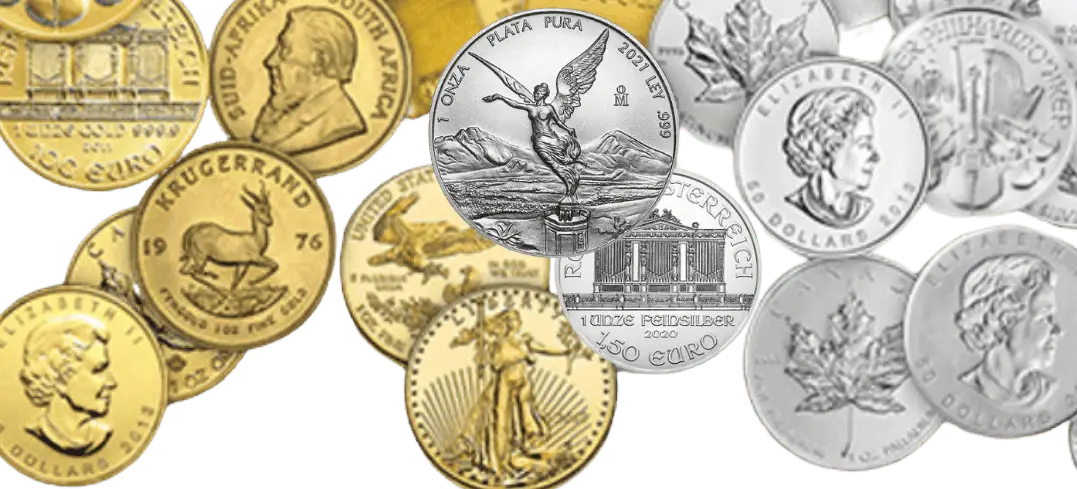
Bullion includes government-issued bullion coins as well as bars and rounds. It is not limited to privately minted products. If the objective is metal exposure, compare fine-metal content, total acquisition cost and expected resale terms before paying for collectible features.
A higher purchase premium may or may not be recovered on sale. Obtain comparable quotes and understand how the spread could change. Include shipping, insurance, storage and any custody or transaction charges in the review.
Decide who can authorize a purchase, access the holdings and approve a sale. Maintain an inventory and independent checks appropriate to the organization's size. If using outside storage, establish ownership, access rights, insurance and the process for delivery or liquidation.
Handle donated coins under a clear gift process
Before accepting a substantial collection, consider the cost of identification, storage and sale. Confirm any donor restrictions and coordinate required acknowledgments or reporting with the organization's advisers. Do not promise the donor a deduction equal to a dealer's buying quote.
Atlanta Gold & Coin Buyers can provide product information, purchase offers and information about appraisal services. Contact us with the organization's authorized request. Whether to hold, sell or acquire metals should follow its documented financial and governance process.
Related articles
- Gold and Silver Price Drop: November 2026 Update for Physical Buyers
- Atlanta Gold & Coin Wins Gold in Atlanta’s Best 2026 Gold & Coin Dealer Category
- The Fastest Way to Damage an Inherited Coin Collection
See what we pay for gold, silver, and coins in Alpharetta.

About the author
Hunter Rhodes
Owner & Managing Director, Atlanta Gold & Coin
Hunter joined Atlanta Gold & Coin in 2022 and purchased the company at the end of 2024. He has been investing in precious metals since 2010, with gold remaining his favorite metal. While he may never admit it, Hunter has a numismatic collector’s side, especially when it comes to select type coins. Libertads and Engelhard rounds are among his favorites.
Meet our team