


 Hunter Rhodes

Investing in Gold & Silver: Mining Stocks Compared With Physical Metals
For readers considering precious-metals investing, gold and silver mining stocks may have seemed an alternative to physical gold and silver coins and bullion. The original article noted that a well-researched mining company could sometimes be profitable, but that shares also could involve substantially greater risk. Individual mining stocks connected to gold and silver prices can provide exposure to strong mining companies, but the article described them as riskier than owning physical gold and silver coins or bullion. Individual companies can be affected by unfavorable news involving their own operations or business partners.
If management makes a poor decision and a company misses earnings expectations, an investor who has not managed risk may face an outsized loss. Mining companies can also face geopolitical risks, particularly when mines or operations are located in higher-risk places such as Venezuela or South Africa.
With those considerations in view, the original article set out to discuss the advantages it associated with investing in gold and silver coins and bullion. It also intended to outline potential risks tied to gold and silver mining stocks and other alternative precious-metals investments.
Investing in Gold and Silver Coins and Bullion
People seeking direct gold and silver exposure as an inflation hedge might have considered physical coins and metals. The article described physical precious metals’ advantage as tangibility: the owner physically holds them. It listed home safes, bank vaults, and precious-metals depositories as common storage choices. Direct access to coins and bullion was said to offer reassurance because ownership did not depend on an online brokerage holding the assets. The article characterized physical gold and silver coins and bullion that can be handled as the safest ownership method for precious metals. It identified bullion coins produced by the United States Mint and Royal Canadian Mint among the most popular gold and silver choices. Four popular gold coins included: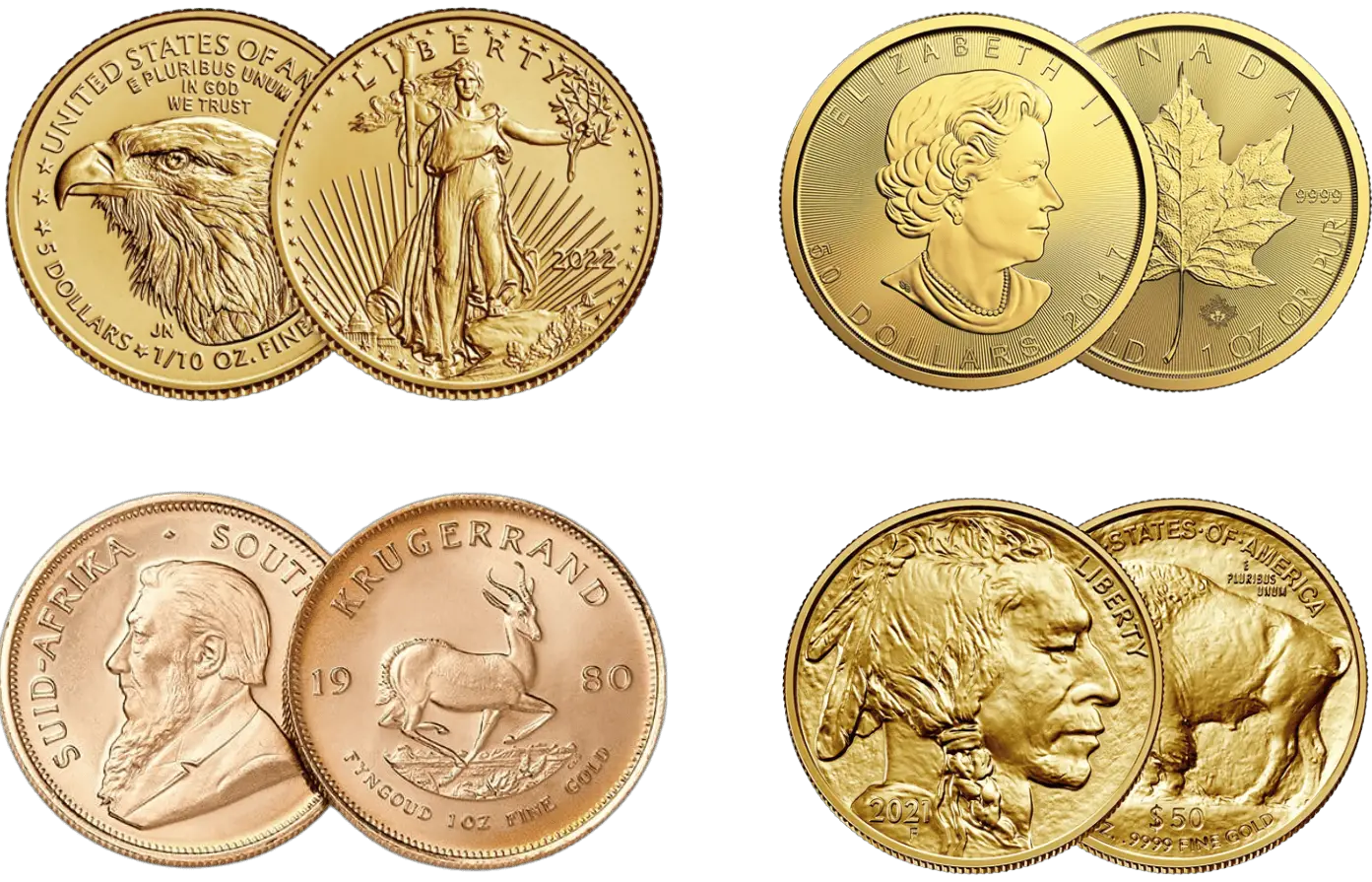
- American Gold Eagle
- Canadian Gold Maple Leaf
- American Gold Buffalo
- South African Krugerrand

- American Silver Eagle
- Canadian Silver Maple Leaf
Investing in Gold and Silver ETFs
The original article also noted a third investment alternative: investing in gold and silver ETFs. The article described these products as the investment option most similar to purchasing physical gold and silver coins and bullion. An ETF’s price was said to be directly linked to gold and silver. At publication, readers could find live spot prices through third-party sites such as Kitco.com. The article identified GLD and SLV as the two most popular gold and silver ETFs. It described both as affordable ways to gain exposure to the precious-metals market. However, the article said these products have drawbacks. First, the holder does not possess physical gold or silver coins and bullion. Owning a gold or silver ETF means buying exposure to underlying precious-metal prices rather than the asset itself. When liquidated, the holder receives the investment’s cash equivalent rather than physical metals.
Highly leveraged ETFs can introduce counterparty risk, which the article said is absent when obtaining gold and silver coins. It explained that if investors lose confidence in paper-metals products, their value could fall sharply, potentially far beyond the underlying metal value of coins and bullion.
Summary
The article presented gold and silver coins and bullion as potentially useful for portfolio protection. It described gold and silver as safe-haven assets that tend to perform well during market volatility and as stores of value against central-bank monetary policy. At publication, it considered this especially relevant because many central banks were pursuing loose policies that it said lead to inflation. Although diversification through gold and silver mining stocks may be tempting, the article stressed understanding the associated risks. It said such shares could amplify returns from metals exposure but could also bring greater volatility and losses. An investor’s goals and risk tolerance were described as factors shaping investments in precious-metals-related stocks. The article did not portray that exposure as inherently unsuitable, but emphasized understanding the investment before proceeding. Although ETFs were described as having a more attractive 1 to 1 relationship with gold and silver prices, the article noted disadvantages: counterparty risk, leverage, and lack of a tangible asset. At publication, readers looking to invest in precious metals and coins were told there was no better time to begin. The article claimed that Federal Reserve unlimited money printing made gold and silver exposure protective for a portfolio. At publication, readers were invited to call or check out our current inventory to begin.

About the author
Hunter Rhodes
Owner & Managing Director, Atlanta Gold & Coin
Hunter joined Atlanta Gold & Coin in 2022 and purchased the company at the end of 2024. He has been investing in precious metals since 2010, with gold remaining his favorite metal. While he may never admit it, Hunter has a numismatic collector’s side, especially when it comes to select type coins. Libertads and Engelhard rounds are among his favorites.
Meet our team