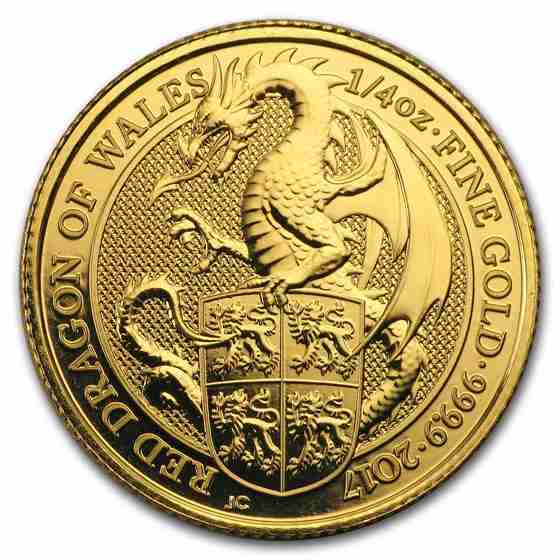
A search result showing a valuable coin does not establish that your coin has the same value. The result may describe a rare variety, an exceptional grade or an asking price that no buyer has accepted. Search placement is not a substitute for matching the actual item.
Match the complete description
Check the denomination, year, mint mark, strike type and variety. Then compare condition and any grading-service designation. A circulation coin and a proof with the same date can belong to different markets, as can a problem-free example and one with cleaning or damage.
Be especially careful with headlines about record prices. A sale involving an unusually fine specimen is not an estimate for every coin of that type.
Find out what the number represents
- Asking price: the seller’s requested amount, which may never be paid.
- Completed sale: evidence of a transaction, subject to the details of that item and sale.
- Price-guide estimate: a reference for a defined market and condition, not a binding offer.
- Dealer offer: a buyer’s price for the actual item under stated terms.
PCGS CoinFacts provides coin descriptions, images, guide information and auction results that can help narrow the comparison. Read the scope of any guide you use; do not assume every published figure is a wholesale buying price.
Compare net proceeds
An auction result may include a buyer’s premium, while the seller may also face separate fees and expenses. There is no universal deduction that applies to all venues. Check the terms before estimating what you would receive.
Use several closely matched results when possible, then obtain an assessment of significant or uncertain coins. An appraisal or purchase offer can be more useful than repeating a high online figure that describes a different item.
Contact Atlanta Gold & Coin Buyers with photographs and identifying details to discuss the next step in evaluating your coins.