At the time of publication, numismatics was a hobby open to anyone with internet access and an interest in holding history firsthand. Its beginnings, however, were far less ordinary. Until the 20th century, coin collecting was reserved almost entirely for monarchs and people of considerable means.
“The Hobby Of Kings”
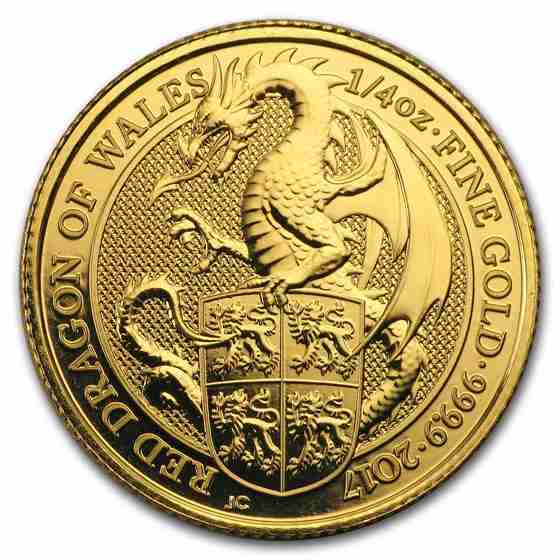
Coins first appeared during the 5th and 6th centuries and made wealth easier to transport. Precious gold’s beauty and malleability made it suitable for exchanging value and accumulating wealth. Silver and copper likewise served as money because of their bullion value. Access to money, therefore, was necessary before someone could collect it.
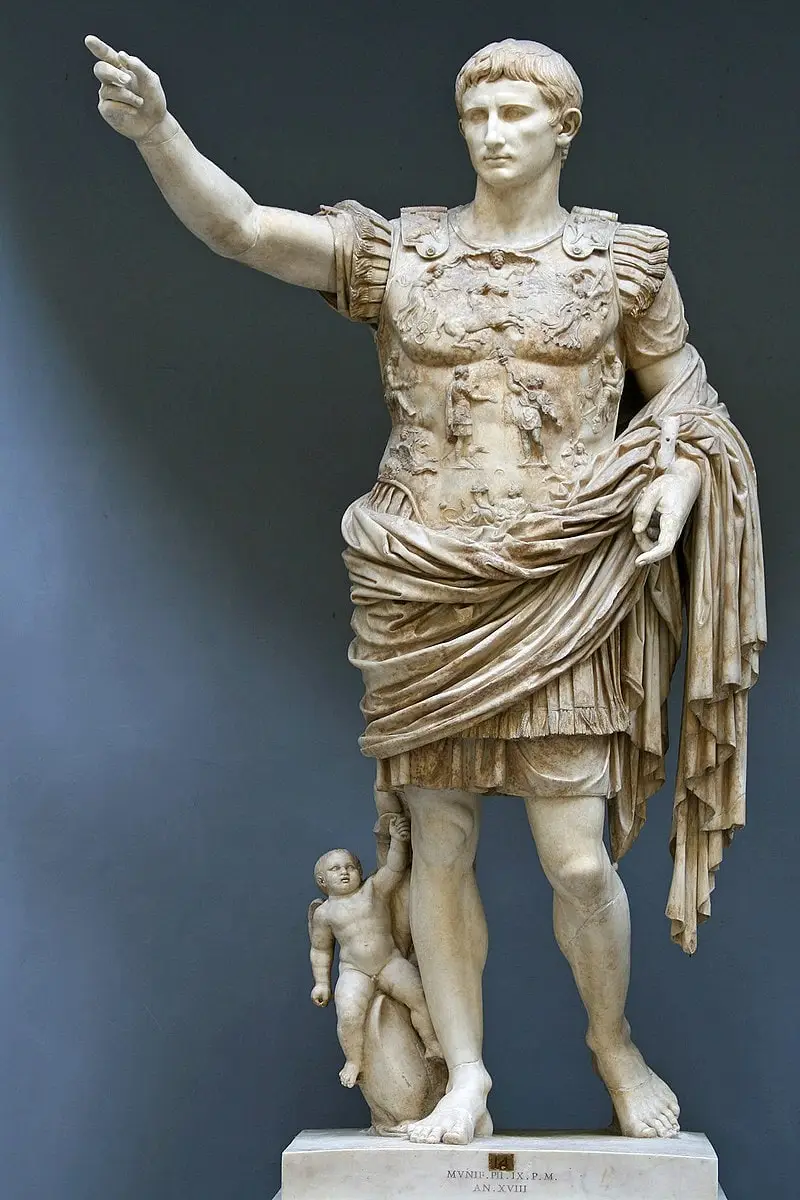
It is little surprise that Roman Emperor Augustus Caesar, born in 63 BCE, may have been the first numismatist. A scholar of classical Greece, Augustus admired ancient Greek gold coins and regularly presented them to his generals. By his death in 14 CE, he had assembled what was arguably the world’s first coin collection.
A Renaissance RevivalAt the time of original publication, the article described the following:
Renewed Renaissance interest in ancient Greek and Roman art drew 15th-century European aristocrats back toward ancient coins. Because popes, royalty, and nobility collected them, numismatics acquired the nickname “the hobby of kings.” Rare-coin collectors still pursue the “Twelve Caesars,” an authentic group of 12 coins, each bearing one of Rome’s 12 imperial autocrats.
Across the 17th and 18th centuries, numismatics largely remained the preserve of European elites with leisure and resources to obtain and trade rare coins. Grand Duke Georgii Mikhailovich of Czarist Russia, who lived from 1863 to 1919, offers a leading example. His extensive private Russian-coin collection literally defines Russian numismatics to this day.
Democracy Broadens InterestAt the time of original publication, the article described the following:
America’s emergence and the Industrial Revolution transformed the world economy. Collectors also found new objects of interest in the young republic’s early currency. American coins joined ancient issues among the prized possessions of prosperous mid-19th-century Europeans and Americans, including pharmaceutical heir Josiah K. Lilly Jr. (1893–1966). His well-known collections are housed at the Smithsonian Museum.
After the world wars, more everyday Americans began collecting coins, while interest in ancients declined in favor of U.S.-minted collectibles. Ancient coin collecting returned during the credit-focused 1980s, and its popularity in the United States had grown considerably since NGC authentication began in 2005.
When this article was originally published, buying or selling coin collections securely was described as much easier. Atlanta Gold & Coin Buyers in Johns Creek, Georgia was described as a BBB-rated A+ dealer offering free appraisals, knowledgeable guidance, and transparent transactions. At publication, readers were invited to Explore our inventory online or contact the business to arrange an appointment.