


 Hunter Rhodes
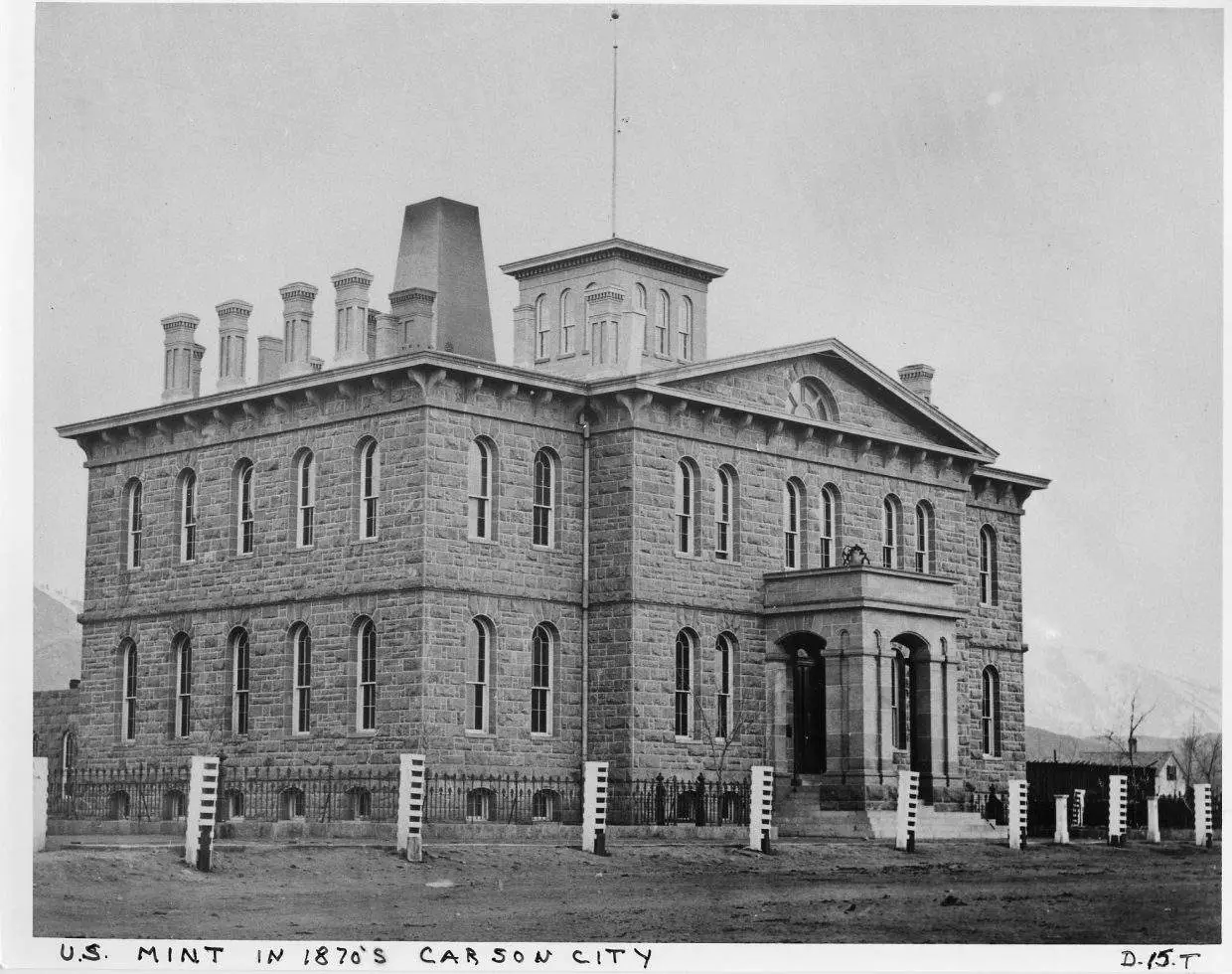
The Minting Process for Silver Coins
Although coin production follows much the same pattern across different metals, this article examines silver specifically. For people considering silver coins as an investment, knowing the way they are produced may be useful, since certain details of the minting process can influence a coin’s numismatic value in particular circumstances.
Basic Minting Terms
Before outlining the minting stages in more detail, the following provides a short introduction to two terms that appear later in the explanation of the process:
- Die: A die is a hardened steel piece. Two dies are pressed together to stamp the coin’s designs onto its two sides during striking.
- Billets: Billets are heavy, thick metal cylinders. Once silver has been melted, it is formed this way for consistency, and because cylinders can be moved more easily within the mint.
- Blanks: Before the die stamps a design into silver, the metal is formed into a disc known as a blank. A blank matches the finished coin in its size, shape, and weight before the final design is struck.
https://www.youtube.com/watch?v=rmlonoppxpg
How Are Silver Coins Minted?
When a central bank commissions the production of a new silver coin, it hires an artist to develop the images that will appear on it. Certain silver coin designs carry important historical meaning, including the American Silver Eagle, which came to symbolize both civil and military pride. After the artwork receives approval, the mint creates a matching pair of master dies, which permits the production work to begin in a form that can be used during the later striking stages.
At the first stage, .999 fine silver is melted in large quantities and then poured into circular molds, where it becomes billets. Each billet is heated before it passes through an extruder, producing a long, flat silver strip. The strips are cut into smaller sections, fed to a press, and punched into blanks. Those silver blanks are polished so scratches and other blemishes are removed, then placed between the dies and struck with the finished design that appears on each completed coin.
When this article was originally published, for several reasons, the U.S. no longer used the silver coin minting process for general circulation. The original article stated that these coins could still be purchased from silver coin dealers as investment vehicles and retained considerable value. At the time of publication, readers interested in buying or selling silver coins were told that Atlanta Gold & Coin Buyers staff could explain the process and provide precious-metals investment guidance to prospective customers seeking help with a transaction.
At publication, readers could call 404-236-9744 to arrange appointments.

- 90% Silver Dollars
- Best Atlanta Coin Dealer
- Buy Morgan Silver Dollars
- Coin Dealers Atlanta
- Commemorative Silver Dollars
- Foreign Coin Dealers
- minting
- minting process

About the author
Hunter Rhodes
Owner & Managing Director, Atlanta Gold & Coin
Hunter joined Atlanta Gold & Coin in 2022 and purchased the company at the end of 2024. He has been investing in precious metals since 2010, with gold remaining his favorite metal. While he may never admit it, Hunter has a numismatic collector’s side, especially when it comes to select type coins. Libertads and Engelhard rounds are among his favorites.
Meet our team