


 Hunter Rhodes
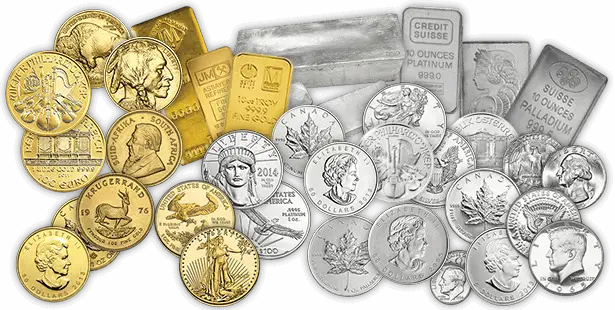
Two people can choose the same metal for different reasons and need different products. One buyer may prioritize the lowest cost per ounce, another may want to sell in small increments, and a collector may value a particular design. A useful purchase begins by identifying those priorities.
You can have more than one objective, but no mix of coins guarantees preparation for every possible event. Compare the practical benefits and costs of the products instead of treating an alarming forecast as an allocation formula.
For metal exposure, compare fine weight and total cost
Larger bars may offer a lower premium per ounce than smaller pieces. That can suit a buyer whose main objective is acquiring metal and who is comfortable eventually selling a larger unit. Check the current price and likely resale outlet rather than assuming the largest size is always the best value.
Gold and silver do not promise to match inflation over every holding period. Price changes, premiums, storage and selling costs all affect purchasing power. Money needed for near-term bills should be considered separately from a long-term metal allocation.
For partial sales, consider smaller denominations
Several smaller coins can provide flexibility that one large bar does not. You can sell a portion while keeping the rest intact. The tradeoff is that small coins and bars often cost more per ounce.
Compare that extra premium with the flexibility you actually need. Smaller size also does not guarantee that a stranger will accept metal in exchange for goods. Barter requires agreement on the item, authenticity and value, so it should not be treated as an assured emergency payment system.
For collecting, identify the premium you want
Historic gold coins, proof issues and collectible silver dollars can add interest beyond their metal content. Dates, mintmarks, condition and completeness can all affect value. A collector may reasonably pay more for those features, provided the price and resale expectations are understood.
Do not buy a collectible premium based on a promise that the coin is protected from future confiscation. The 1933 order had specific exceptions, but an old exception does not establish the wording of a future law. “Pre-1933” is not a permanent legal guarantee.
Build a plan from needs, not anxiety
Assigning a hypothetical event a 10% probability does not mean 10% of a portfolio automatically belongs in one coin category. The size of a potential loss, the costs of the proposed protection, correlations and your other resources also matter. An emotional sense of relief is not a complete financial plan.
Set a budget, retain appropriate liquidity and compare options within your intended allocation. The SEC's allocation guide offers background on the role of time horizon and risk tolerance.
Atlanta Gold & Coin Buyers can explain the differences among products and current purchase or sale quotes. Contact us with the purposes you want a holding to serve. That makes it easier to choose useful denominations and avoid paying for features you do not need.

About the author
Hunter Rhodes
Owner & Managing Director, Atlanta Gold & Coin
Hunter joined Atlanta Gold & Coin in 2022 and purchased the company at the end of 2024. He has been investing in precious metals since 2010, with gold remaining his favorite metal. While he may never admit it, Hunter has a numismatic collector’s side, especially when it comes to select type coins. Libertads and Engelhard rounds are among his favorites.
Meet our team