


 Hunter Rhodes
Why Gold & Silver Were Presented as Hedges Against Runaway Inflation
Many people recognize, at least generally, that some investors use gold and silver as hedges against inflation. Because “hedging” can sound abstract, it is reasonable to ask what the term actually means. Readers may also wonder whether there is anything they can do to limit inflation’s effects. At the time of original publication, the article described the following: The original article first examined inflation as it stood when published and defined an inflation hedge. It then turned to how that discussion applied to gold and silver inflation hedges.What Does Inflation Mean?
Inflation rests on the idea that money commonly loses value over time. It describes rising prices alongside declining purchasing power. Most people have heard about inflation and experienced its effects. The article also noted that the U.S. government, which it said indirectly contributes to inflation through the Federal Reserve, created Treasury Inflation-Protected Securities, or TIPS, as an inflation hedge. Put simply, the article attributed inflation to an expanding money supply controlled by the Federal Reserve. It said monetary inflation is almost always present, citing the Fed’s then-current balance sheet of $8.4 trillion, although it does not necessarily become price inflation immediately. When this article was published, it said monetary inflation had begun translating into price increases that concerned many consumers.
Inflation’s State at the Time
Older relatives may recall what seem like remarkably low prices for everyday necessities in earlier decades. Paying 12 cents for a loaf for bread can sound unbelievable, yet it was ordinary in the 1950s. At the time of publication, the article said that same 12 cents would purchase very little, perhaps even only a piece of hard candy.
At the time of original publication, the article described the following: According to Consumer Price Index inflation calculator figures, someone would need $21.95 to purchase at publication what $1 bought in 1800. The article cautioned that these were official government numbers and asserted they likely understated actual inflation.
At the time of original publication, the article described the following: The article argued that if inflation had been calculated in the publication period as it was during the '70s and early '80s, official rates might have been almost double reported figures. It referenced John Williams of Shadow Stats , who discusses changes in inflation-rate calculations over time.
Pandemic Effects on Inflation
The article linked the pandemic and lockdown-era stimulus checks to an economic setting in which inflation tended to rise. It cited supply-chain issues, worker shortages, and fewer people supporting local businesses as reasons consumer prices had surged. At publication, citing Kiplinger’s forecast, it forecast inflation reaching a 30-year annual high of 6.6% by the end of 2021. California Port, Container Ship Backlog
At the time of original publication, the article described the following: That same forecast indicated 2022 would probably have lower inflation, though still above its historical 10-year average. The original article concluded that high inflation appeared likely to persist for some time. It said the Federal Reserve might raise rates to curb inflation, but that this might not end it completely and could risk recession.
What Is a Gold or Silver Inflation Hedge?At the time of original publication, the article described the following:
The article then addressed hedging specifically. What is a hedge against inflation? It defined a hedge as an investment intended to protect assets from losses associated with rising inflation. At the time of original publication, the article described the following: It described a hedge as a safe-haven asset meant to preserve investment value or purchasing power as dollars lose value. The article asserted that cash dollars would almost certainly lose worth from year to year. Although inflation’s pace varies, it said the general direction rarely changes. The article reasoned that exchanging dollars for something that had historically appreciated could help avoid inflation-related losses. Unless an unexpected deflationary crisis occurred, it said inflation would continue and cash would decline in value. At the time of original publication, the article described the following: What about stocks, mutual funds, and exchange-traded funds? The article noted that inflation can affect stock returns as well. For example, if stocks rose 5%, a return it did not call terrible, an investor would still lose purchasing power if inflation measured 6.6%. The original article argued that physical gold and silver, an asset class it said had historically acted as a hedge, could reduce or eliminate inflation’s damaging effects. It specifically favored physical metals over paper contracts such as the iShares silver trust fund (SLV), asserting that many paper contracts were highly leveraged and did not allow retail investors to settle in physical gold or silver. The article stated that gold rises as the dollar loses value. Because dollars are theoretically unlimited while gold is finite, it reasoned that increasing inflation requires more dollars to buy an ounce of gold. Citing David Meger, director of metals trading at High Ridge Futures, explained, it predicted the then-current inflationary environment would raise gold’s future price. It therefore characterized gold as an investment that grows over time instead of compounding losses. For everyday dollar needs, the article said a holder could sell gold for more dollars than its purchase price, which it presented as essentially offsetting inflation’s effect. At the time of original publication, the article described the following: The article recalled an old saying that an ounce of gold in the 1920s could purchase the same quality men’s suit and shoes as at publication. It contrasted that with the $20 needed then for a suit, which it said might buy only socks at publication.Gold, Silver, and Inflation HedgingAt the time of original publication, the article described the following:
The original article called buying gold and silver as an inflation hedge a smart idea. Based on what Meger, High Ridge’s director of metals trading, had said about gold’s expected path, it described the publication period as the right time to add gold to a precious-metals portfolio. At the time of original publication, the article described the following: As the article described continuing high inflation, it said Meger’s remarks deserved attention. Although Meger focused on gold, the article inferred that he would also recognize silver’s value as an inflation hedge. It then introduced ways readers could benefit from gold and silver hedges.Benefits of Investing in Silver
The article said silver prices had historically risen, while acknowledging they were more volatile than gold prices. It also described silver as more affordable for most investors. Beyond silver used as an investment metal, it noted industrial demand from electronics, batteries, dental materials, solar panels, and medicine.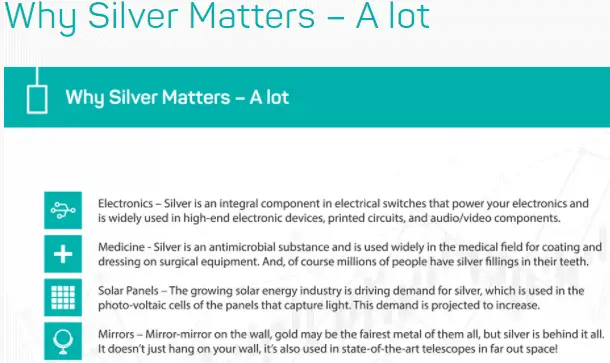 Because of that demand, the article said silver would remain necessary for practical uses, while also carrying precious-metal appeal. It described investing in silver bullion as easy through coins, bars, or rounds in ounce-or-smaller amounts, or in bulk such as a monster box of American Silver Eagles. It also noted self-directed IRA and solo 401k options.
For interested readers, the original article noted an earlier discussion of whether American Silver Eagles or Morgan silver dollars made a better hedge against inflation. It said the findings might surprise readers.
Benefits of Investing in Gold
The article characterized gold’s price movement as slower and steadier, making it suitable as a long-term safe haven. It claimed this hedge against substantial inflation could protect and build wealth over years and decades as gold’s price rose. As with silver, it said gold could be added to a precious-metals IRA for tax advantages and added security. By November 2021, the article reported gold at $1,800 per troy ounce. It said Fed chair Jerome Powell responded that the central bank needed to reduce asset purchases, and that tapering had begun with bond purchases targeted to end by summer 2022. The article questioned whether recession could be avoided before "lift-off", given its view that markets depended on cheap money.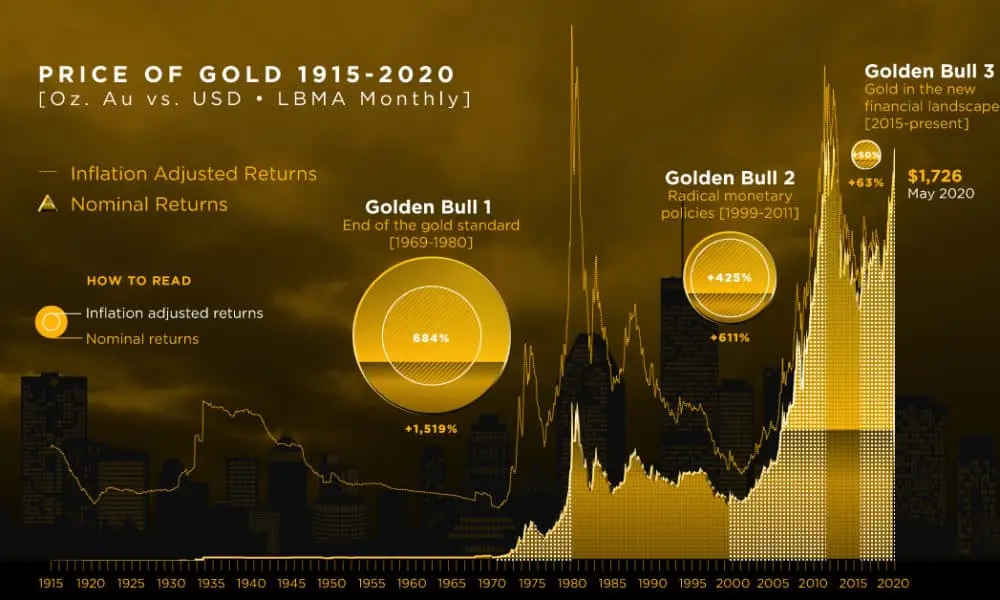 The article asserted that gold’s price would, over time, outpace the dollar’s value. It also cited Kitco, gold is better for diversifying a portfolio because its price was described as mostly unrelated to major asset classes, including stocks. It further claimed that lower correlation within a portfolio typically produces lower volatility and higher returns.
Where Precious-Metal Expertise Was Available
When this article was originally published, readers considering an inflation hedge were invited to seek advice, assistance, and precious-metals products from Atlanta Gold & Coin Buyers. Whether they were buying or selling gold, or considering silver bullion coins and other precious-metals products, the business stated it had expertise and connections to help them begin advantageously. Readers were invited to Contact us at publication to learn more about gold and silver inflation hedges.Related articles
- How to Introduce Gold and Silver Investing Without Overwhelming Someone
- Why a Future Gold or Silver Quote Cannot Be Predicted Reliably
- What the October 2023 CPI Report Shows About Gold-Market Expectations
See what we pay for gold, silver, and coins in Alpharetta.
- Gold
- gold and silver
- gold as inflation hedge
- gold investing
- hedge
- hedge against inflation
- inflation
- Inflation Hedge
- silver
- silver as inflation hedge

About the author
Hunter Rhodes
Owner & Managing Director, Atlanta Gold & Coin
Hunter joined Atlanta Gold & Coin in 2022 and purchased the company at the end of 2024. He has been investing in precious metals since 2010, with gold remaining his favorite metal. While he may never admit it, Hunter has a numismatic collector’s side, especially when it comes to select type coins. Libertads and Engelhard rounds are among his favorites.
Meet our team