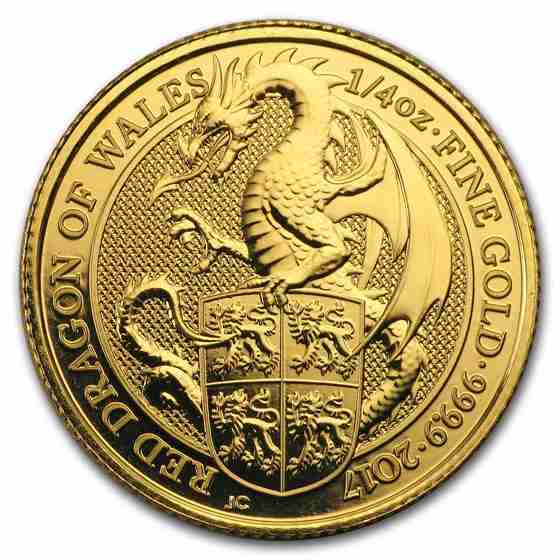
At the time of original publication, the article described the following: Numismatics, also called coin collecting, ranks among the most popular collecting hobbies in the United States and worldwide. It may also become an expensive pursuit. Some of the rarest coins bring millions of dollars at auction. A coin’s value relates to both its rarity and its condition, known as its grade. Grading is partly art and partly science, with much depending on the grader’s preferences. Still, every collector benefits from a basic understanding of the grading process. That knowledge helps explain what collectors and purchasers consider when assigning a dollar value to a coin.
The Standards
When evaluating a coin’s condition, grading specialists examine a variety of standards. The finest examples display very little wear and retain visible design details throughout. Graders also evaluate the coin’s patina, the clarity and sharpness of its features, and whether its metal has corroded. With older coins, readable lettering and an absence of planchet flaws are indicators of a stronger grade.
Grades
At the time of original publication, the article described the following: Although ancient coins and more recently struck pieces have some grading differences, circulated coins are generally classified from good through extra fine, with very good, fine, and very fine in between. Auction catalogs often describe coins as almost extra fine or almost very fine. Such wording means a coin might have earned the higher grade except for an imperfection. The top classification applies to uncirculated, or “mint condition”, coins retaining the quality they had when struck at the Mint. These coins are commonly called “mint state.” Mint-state grades run from 60-70, and 70 represents a perfect grade.
A Question of Preference
Given the many criteria and the imprecise boundaries separating one grade from another, considerable subjectivity is involved. Although a higher grade generally increases a coin’s value, an individual collector may pay more for a very fine example than an extra fine one when the former has superior patina, such as rainbow toning, or presents more attractive original surfaces.
When this article was published, readers seeking to sell coins or understand what a piece might be worth were invited to visit Atlanta Gold & Coin Buyers. The article stated that it offered coin evaluations and appraisal options., and would explain grading factors. For readers outside Atlanta, it said it could make coin purchases by mail.. At the time of publication, readers were invited to contact it at 404-236-9744 to schedule an appointment.