


 Hunter Rhodes
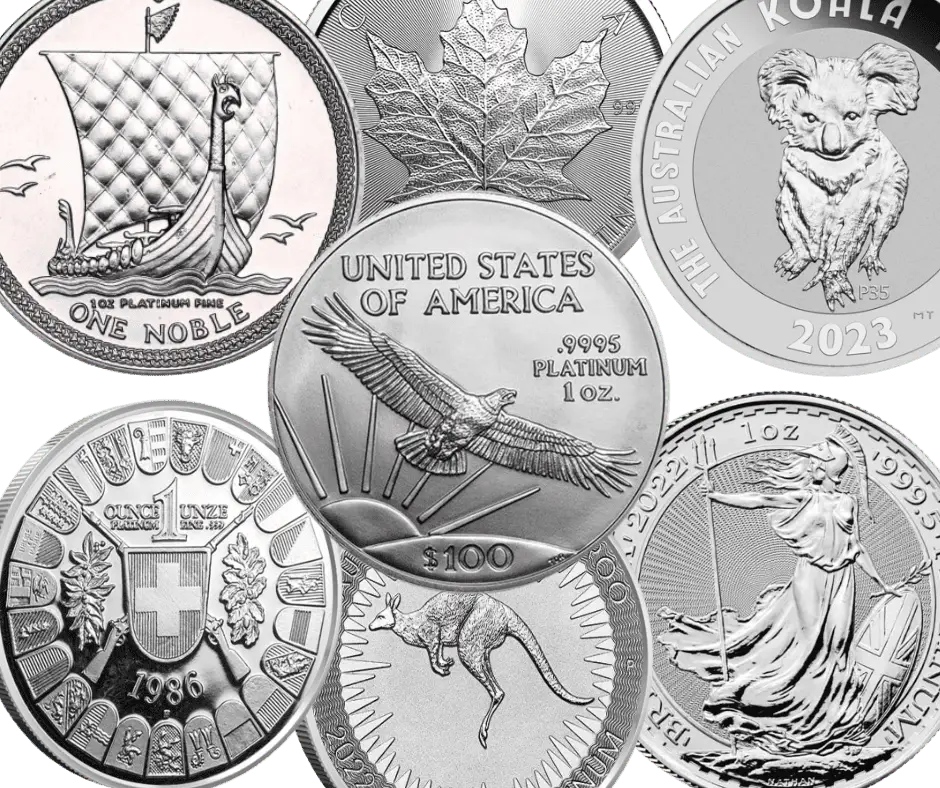
Platinum offers exposure to a different precious-metals market from gold or silver. Its industrial uses, sources of supply and physical-product market deserve attention before deciding whether it fits your objectives.
A price below an old high does not prove that platinum is undervalued or has limited downside. The relevant question is what supports demand now, what could change and how much it costs to buy and later sell the product you select.
Understand the industrial side of the market
The U.S. Geological Survey's platinum-group metals resources describe the metals' catalytic properties and industrial applications. Demand can be influenced by vehicle technology, manufacturing activity, substitution between metals and recycling.
Those drivers can differ from the reasons investors buy gold. A forecast based only on platinum's scarcity or its historical price relationship with gold leaves out important parts of the market.
Consider concentrated supply without assuming an outcome
Production is geographically concentrated. The USGS reports that South Africa was the leading platinum producer in 2024. Mine economics, electricity availability, labor conditions and policy developments can affect supply.
A supply disruption can support prices, but demand may weaken at the same time. It is not necessary to speculate that a particular government will seize mines or stop exports to recognize that concentration creates exposure worth monitoring.
Compare physical products by their actual terms
Platinum is available in bullion coins and bars, with collectible proof issues offering a different proposition. Check the product's weight, purity, manufacturer and condition. A proof's collector premium is separate from the underlying metal value.
Ask for both a selling quote and a current buying quote for the same product. Availability and the number of interested buyers can affect spreads. Do not assume that a familiar gold dealer handles every platinum item on equally favorable terms.
Also consider whether the size gives you enough flexibility. Selling one large item may involve a different process from selling several smaller ones. Storage, insured transport and verification expenses belong in the comparison.
Use ratios as context
A gold-to-platinum price ratio shows relative prices at a point in time. It does not require the metals to return to an earlier relationship. Changes in technology, investment demand and supply can alter that relationship for a long period.
If using historical prices, compare consistent sources and dates and distinguish nominal prices from inflation-adjusted values. Avoid treating a past peak as a target that the market owes an investor.
Decide what role platinum would serve
Consider the amount you could hold through a decline, your expected holding period and your likely selling route. Physical platinum does not pay interest or dividends. A mining stock or exchange-traded product has different costs and risks from possession of a coin or bar.
Contact Atlanta Gold & Coin Buyers to ask about current platinum product availability and transaction terms. Comparing the physical purchase and resale costs is a practical first step before making an investment decision.

About the author
Hunter Rhodes
Owner & Managing Director, Atlanta Gold & Coin
Hunter joined Atlanta Gold & Coin in 2022 and purchased the company at the end of 2024. He has been investing in precious metals since 2010, with gold remaining his favorite metal. While he may never admit it, Hunter has a numismatic collector’s side, especially when it comes to select type coins. Libertads and Engelhard rounds are among his favorites.
Meet our team