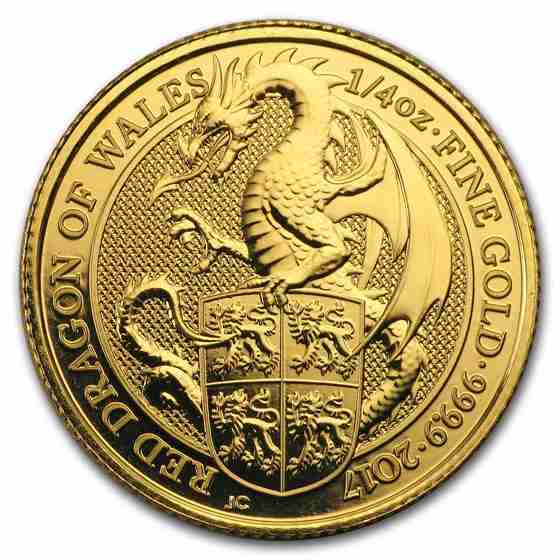
Six Direct Questions to Ask When Seeking a Coin Appraisal
At the time this article was published, a coin appraisal could seem like a simple task at first glance. Yet people new to coins and bullion, or those who had never arranged an appraisal before, could find the process somewhat more involved than it initially appeared.
To start, sellers had several appraisal approaches to consider. This original article outlined those available options and described six practical questions readers were invited to raise when requesting a coin appraisal.
Coin-Appraisal Coin Appraisals
 Coin appraisals ranged from a basic price quotation to a detailed, item-by-item estate valuation. Because circumstances differ from one person to another, this article reviewed the appraisal choices that were available at publication to help readers identify the option that best suited their particular needs.
1. Website Quote – At publication, some coin dealers displayed live buy rates on their websites, creating the most direct type of appraisal. Technically, this was a quote rather than an appraisal, but it could have supplied all the information a reader needed. Readers interested then were directed to review the Online Automated Selling Tool.
2. Email or Phone Quote – When this article was originally published, someone with only a few items could reasonably email or call a coin dealer for a quote. Some dealers might have required an in-person inspection before discussing value, though the article said that should not be necessary for standard pieces such as gold eagles or silver eagles.
3. Appraisal with the Intent to Sell – At the time of publication, an appraisal intended to lead to a sale was described as the most frequent request. Such evaluations could involve several items, hundreds, or even thousands. The article recommended obtaining a value indication for regularly traded items first, so seller and chosen dealer could confirm basic expectations. That would not ensure agreement on collectible pieces, but it offered a useful starting point.
4. Appraisal for Informational, Insurance or Estate Purposes – A collection might have required a valuation for information, insurance, probate, or estate-related purposes. In those situations, the owner’s intention was not to sell the collection, at least at that point. These appraisals could take from an hour or two to several days, and they could be expensive, particularly when travel was necessary.
At the time of publication, the first two appraisal options could generally be provided without cost to the seller. The article stressed getting clear terms for the third option, since many dealers charged an appraisal fee if the coins were not sold after the evaluation. Fees applied for the fourth option as well, unless the dealer had agreed beforehand to waive the fee when part of the collection was sold.
At publication, Having reviewed the appraisal types, this article next presented six important questions readers were invited to ask a selected coin dealer before proceeding with an evaluation.
Could the Coin Collection Be Dropped Off?
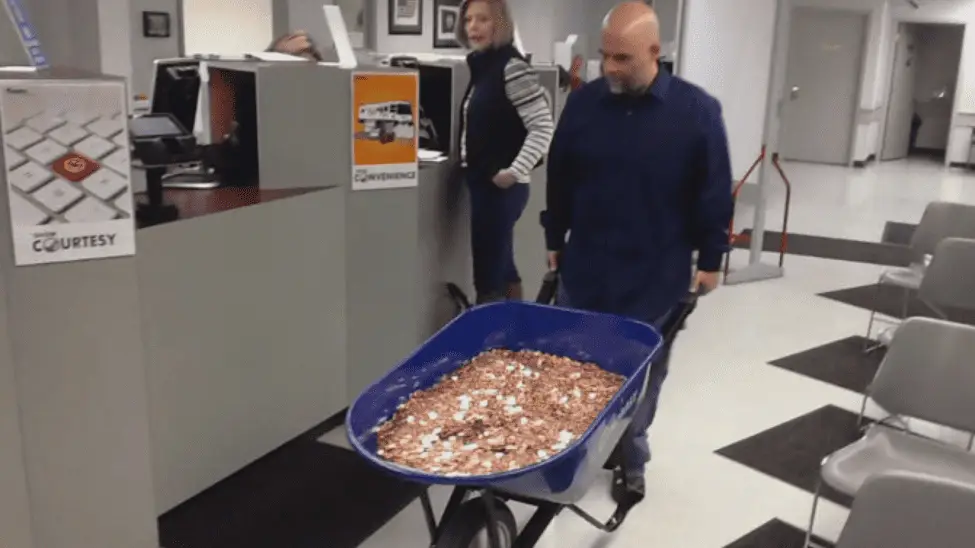 Coin dealers spend their days around coins and, when motivated by the right reasons, may genuinely enjoy evaluating a large, varied collection even when it requires hours. Still, the original article noted that this interest and patience should not be assumed of every person.
People also have family, employment, school, and other commitments, and may not have hours to remain present while a numismatist carefully examines every valuable item in a lengthy collection.
When a person could not devote that time or did not want to sit through the evaluation, the article said leaving the collection with a coin buyer might have been the better choice. Before doing so, however, it urged readers to investigate carefully and select a company that was trustworthy, transparent, and operated with integrity.
An experienced dealer should be able to look over a collection and offer a rough estimate of the time needed to finish the evaluation.
How Long Would the Appraisal Take?
Whether a collection was left with the dealer or evaluated in person, the article advised identifying beforehand how long the appraisal and examination would take. An exact timeframe could be difficult to provide, but, as noted earlier, experienced coin dealers could usually give a general indication of the expected duration.
A collection left for appraisal could take somewhat longer than an in-person evaluation, especially when it contained thousands of coins. Even so, the article encouraged readers to ask the dealer for a reasonable timeframe, allowing them to communicate that expectation to other people who might have an interest in the collection.
The article also advised against accepting an excessively long or delayed appraisal. Although most coin dealers did not have large staffs, they should have been able to devote adequate time and resources to provide pricing within a reasonable period. At publication, Atlanta Gold & Coin reported completing appraisals, including large collections, in fewer than 48 hours.
Was There an Appraisal Fee?
The article emphasized that all parties should understand the appraisal arrangement, especially any fees. It had already discussed appraisal types and circumstances in which fees could be expected, but practices varied. For that reason, it advised settling all price-related questions before the appraisal began.
What Was the Appraisal Fee?
Coin-appraisal pricing could differ widely, so the article recommended asking about the charge whenever a fee applied. Some dealers assessed an hourly amount, while others used a flat fee. Because coin dealers are skilled specialists, often called numismatists, the original article said readers could expect a range of $100 – $200 an hour. Though not inexpensive, many estates required a professional appraisal, particularly those in probate.
Where a coin expert had to travel for an evaluation, the article said to expect charges for travel time, lodging, meals, and other incidental expenses. This reflected that the expert could not operate the coin dealership while away from it.
The article added one practical payment note: not every coin dealer accepted credit or debit cards, because margins were described as extremely thin. Readers were invited at publication to clarify acceptable payment methods before the appraisal.
Was There an Obligation to Sell the Collection?
As with fees, it was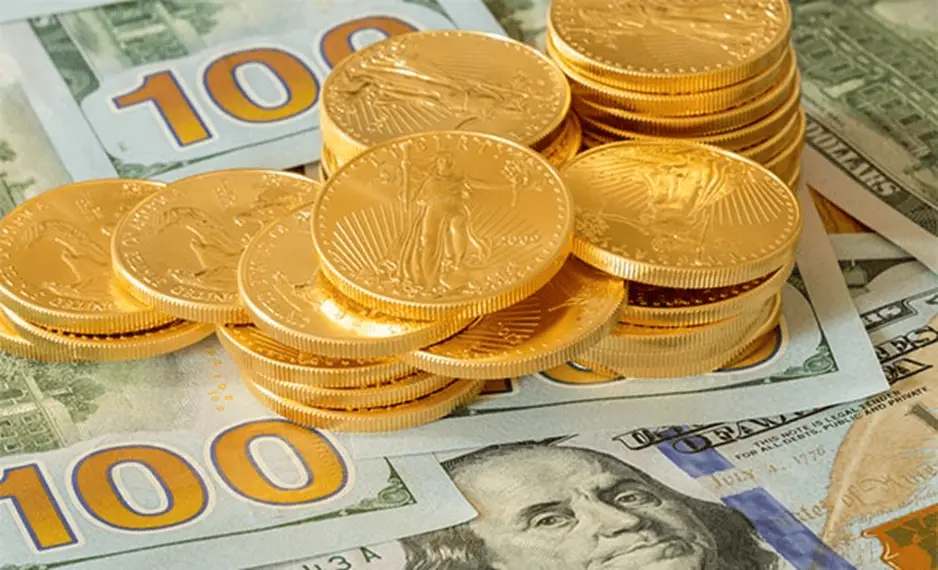 important to establish in advance whether a collection was being sold or whether the owner would be expected to sell it. When both parties had agreed to prices beforehand, a dealer could reasonably believe a purchase would follow. If the owner later chose not to proceed, the article said paying the coin expert for that time was reasonable.
On the other hand, no one should have felt pressured or obligated to sell a coin collection. A dealer may have hoped to buy it, but that did not justify pressuring the customer. The decision should have been made without undue influence. In addition, other heirs might have needed consultation before a sale of the collection could move forward.
The original article reported hearing accounts over the years of dealers pressuring customers or threatening to withdraw an offer unless it was accepted immediately. It characterized that conduct as unacceptable and said it should not be tolerated in any circumstance.
How Long Was the Appraisal Valid?
Not every owner could sell a collection immediately after an appraisal. In that situation, the article advised asking how long a price quote would be honored. The answer could vary by the type and quantity of coins examined, ranging from the appraisal day itself to one or two weeks.
Market-sensitive coins, including United States 90% silver dimes, quarters, half dollars, American gold eagles, American silver eagles, Canadian gold maple leaf coins, and Canadian silver maples, could change sharply in price over a comparatively brief period. Markets could move within hours in response to geopolitical events, inflation, economic news, trading volume, and similar factors. If a collection mainly contained these coins, the original article said its quote might have been valid only that day.
On the more favorable side, the article explained that market-sensitive items could be repriced fairly easily. If an owner decided to sell a collection one day, two days, or even several weeks later, a dealer should not have needed much time to provide revised collection pricing.
Coins that generally moved less closely with precious-metals prices included Morgan and Peace silver dollars, Carson City silver dollars, paper currency, bank notes, numismatic or rare coins, and professionally graded coins. For a collection made up of these items, the article said it was not unreasonable for a dealer to honor the original price quote for as long as a week.
Finally, anyone who decided to assess a coin collection or an inherited coin collection independently was encouraged, when this article was originally published, to review Atlanta Gold & Coin’s article on evaluating your coin collection properly.
Summary
In closing, begin by identifying the appraisal service that best fits the specific circumstances involved. Once the most appropriate appraisal option has been determined, the original article recommended speaking with a vetted coin dealer and raising several questions before proceeding with the coin appraisal process.
Before considering coin auctions, the article noted at publication that auction houses generally deducted substantial fees from proceeds. It invited contact with a local dealer first.
Discuss practical arrangements with the dealer you select, including whether the collection can be dropped off and the approximate time required for the evaluation. If the expected timeframe does not seem reasonable for the situation, it may make sense to consider another coin dealer. Clear expectations about handling and timing can make the appraisal process easier to assess.
Before the evaluation begins, establish whether there will be a fee and, if there is, what the approximate charge will be, so the terms are clear. The actual time required can differ somewhat from the first estimate, even after a timeframe has been discussed. The original article advised avoiding any coin specialist who applied pressure to sell. It also recommended confirming, before leaving, the period during which the completed appraisal would remain valid for the collection.
When this article was originally published, Atlanta Gold & Coin Buyers was described as having nearly a dozen years of experience buying, selling, and appraising coin collections of all types and sizes. The business stated that it had the knowledge and expertise to properly conduct coin appraisals regardless of a collection’s size or complexity. It also described its environment as safe, friendly, comfortable, and pressure-free. At the time of publication, readers were invited to Contact us today at 404-236-9744 to see why the company described itself as the leading coin dealer in Atlanta and beyond.