


 Hunter Rhodes
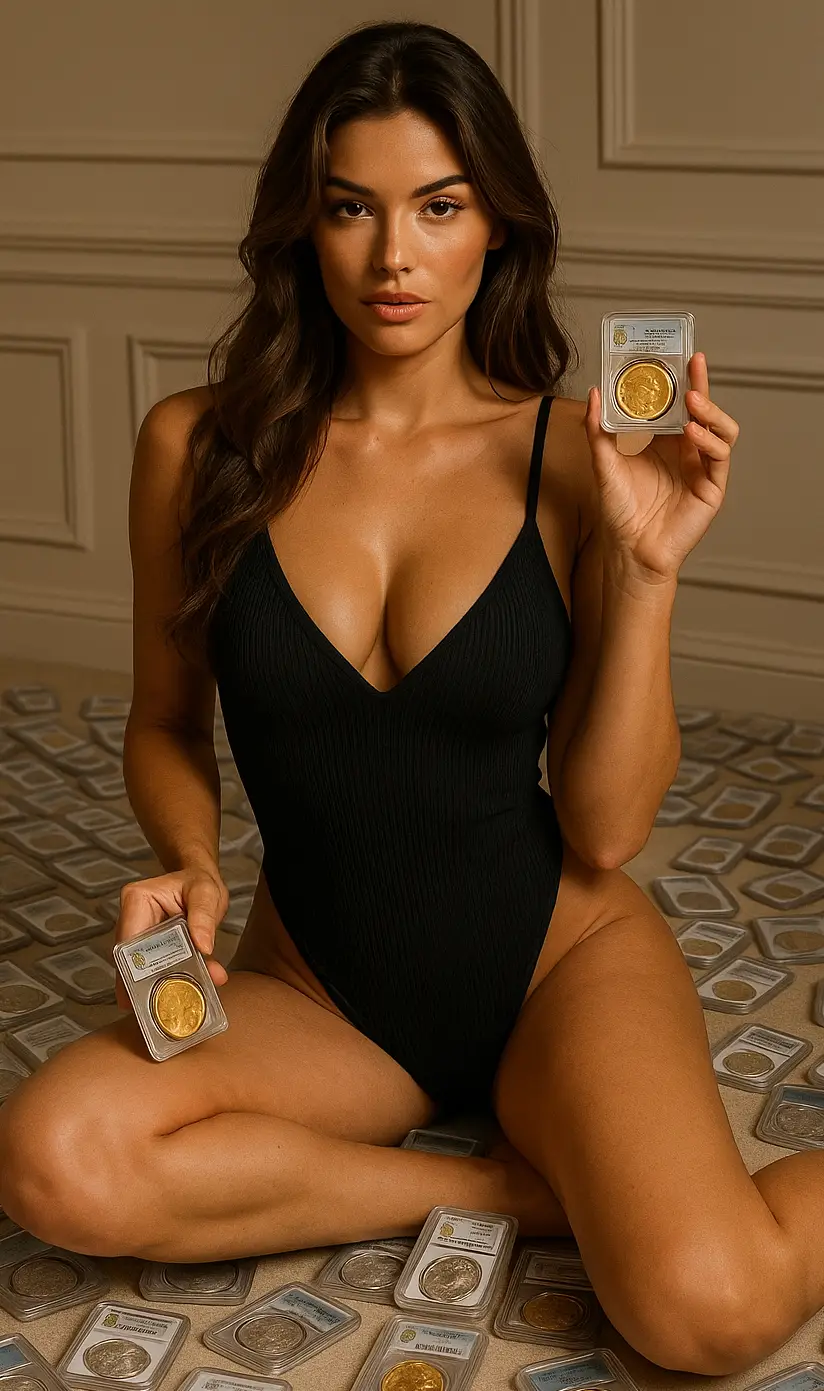
A successful collectible-coin purchase begins with understanding the specific coin and the price being asked. An attractive design, a low mintage or an impressive market forecast is not enough on its own. Authentication, condition, demand and selling costs all influence the eventual result.
Collecting can provide enjoyment as well as financial exposure. Keep those benefits distinct when setting a budget. A coin you value personally may still be difficult to sell at the amount you paid.
Choose an area you can learn well
Begin with a manageable series or type rather than purchasing unrelated items on the strength of a sales presentation. Learn the important dates, mintmarks, varieties and typical conditions. A focused reference library makes it easier to recognize meaningful differences.
Vintage U.S. coins, modern commemoratives and world coins all have collecting communities. Their markets differ in size and location. The right question is who buys the particular issue you are considering and how you would reach those buyers later.
A coin unfamiliar to a local dealer is not necessarily undesirable. It may require a specialist. Equally, an easily recognized coin is not automatically a good value at any price.
Verify authenticity and the condition being priced
Check certification records where applicable and compare the holder and coin with available reference images. A valid number can be copied, so a database match should be considered alongside the physical item and seller's documentation.
For an uncertified coin, understand how much uncertainty remains about grade or authenticity. Professional grading may be appropriate for a significant item, but its costs and possible outcomes should be evaluated before submission.
Condition terms are specific. Extremely Fine is a circulated grade description, not a general promise of exceptional quality. Wear, cleaning, repairs, eye appeal and designations can explain why superficially similar coins receive different bids.
Use comparable transactions to evaluate the asking price
Look for sales of the same date, mintmark, variety and grade, with comparable certification and surface quality. Use more than one result where possible. A unique provenance or extraordinary appearance can make an auction record a poor comparison for an ordinary example.
Read the terms of the price source. A retail guide is not a guaranteed dealer bid, and an unsold listing is not evidence of a completed transaction. An auction total may include a buyer's premium that is absent from another quoted figure.
Keep the dates of the comparisons visible. Market interest and underlying metal prices can change. If the available results are old or sparse, acknowledge the uncertainty rather than presenting an exact value with unwarranted confidence.
Ask about the current resale market
Before buying, obtain an indication of what a qualified buyer would currently pay for that same coin. The gap between purchase price and bid helps show the appreciation needed before an eventual sale could cover costs.
Different selling routes involve tradeoffs. A direct dealer sale may provide a prompt offer; an auction or consignment may reach specialist collectors but involve commissions, time and uncertainty. Review the actual terms before assuming one route will produce the highest net proceeds.
There is no universal distinction under which all dealers buy at wholesale, sell at “market” and never obtain retail prices. Those words need context. Compare actual dollar amounts and included services rather than relying on labels alone.
Leave room for an uncertain holding period
A collectible may take time to find the right buyer. Set the purchase size so an unexpected household expense does not depend on an immediate favorable sale. The appropriate cash reserve depends on your circumstances rather than a rule specific to coin collectors.
A longer holding period does not guarantee recovery of an excessive premium. There is no dependable payback date, and some coins may never regain a past purchase price. Enjoyment and historical interest can be real benefits without being counted as investment returns.
Claims that the rare-coin market reliably earns a fixed annual percentage or is always less volatile than stocks need representative data and clear methods. Record-setting auction headlines alone cannot support those conclusions.
Take time with a sales approach
An unsolicited call, urgent deadline or guaranteed appreciation claim deserves scrutiny. Ask for the exact product, total price, return policy and written explanation of the premium. Check the seller independently and compare an alternative offer before committing.
Commission-based selling does not establish fraud by itself. The concern is whether the recommendation, price and claims can be verified. A seller should be able to explain the item without requiring you to decide immediately.
The CFTC's precious-metals guidance highlights the risk of paying collectible premiums that another buyer may not recognize. That is a useful reason to research the resale market before accepting a pitch.
Keep the records with the collection
Retain invoices, descriptions, certification details and useful photographs. Store coins appropriately and avoid cleaning them. Documentation can make later identification, valuation and tax preparation easier, although it does not guarantee a selling price.
Atlanta Gold & Coin Buyers can help discuss specific coins and current transaction options. Bring the item details and the comparisons you have found so the conversation can focus on evidence, costs and the choices that fit your collecting goals.

About the author
Hunter Rhodes
Owner & Managing Director, Atlanta Gold & Coin
Hunter joined Atlanta Gold & Coin in 2022 and purchased the company at the end of 2024. He has been investing in precious metals since 2010, with gold remaining his favorite metal. While he may never admit it, Hunter has a numismatic collector’s side, especially when it comes to select type coins. Libertads and Engelhard rounds are among his favorites.
Meet our team