


 Hunter Rhodes
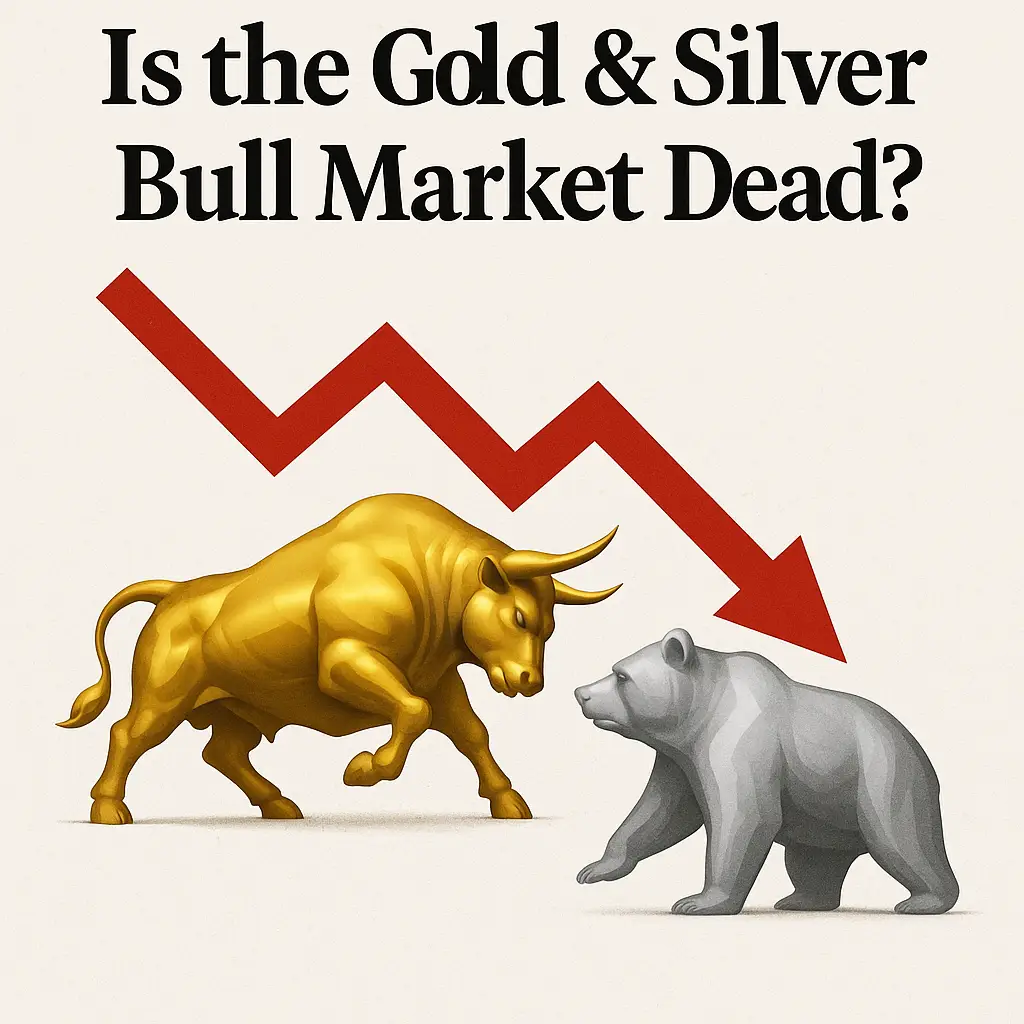
A decline after a strong gold or silver rally can be a temporary pause, the beginning of a longer correction or part of a changing trend. The price movement alone does not tell us which outcome will follow. A useful review considers the original reasons for owning the metal and what evidence has changed.
This article was first published during an October 2025 pullback. Its earlier conclusion that the rally must resume should be understood as an opinion from that period, not an assurance about the present market.
Review the economic assumptions
Interest rates, currencies, inflation expectations and financial conditions can influence metals. High government debt may remain a concern while other factors become less favorable to gold. An investment narrative does not become certain merely because one long-term issue persists.
Separate the amount of gold central banks buy from the market value of their existing reserves. Rising gold prices can increase the value of those holdings without the same percentage increase in ounces. Claims about comparisons with Treasury holdings need consistent definitions and dates.
Central-bank demand can support a market, but it does not establish a guaranteed buying floor at $4,000 or any other round number. Purchases can vary across institutions and reporting periods.
Evaluate silver's industrial demand separately
Silver is used in electronics, photovoltaics and other industries. That demand can be affected by business activity, changing technologies, material efficiency and substitution. It should not be described as permanently expanding regardless of price or economic conditions.
The World Silver Survey 2026 reported a decline in industrial silver demand in 2025. That later evidence illustrates why a forecast of uninterrupted growth needs review.
Silver can move more sharply than gold, but it does not always rise twice as fast or twice as far. Its volatility includes the possibility of larger losses.
Use charts and ratios with defined rules
A statement that support remains intact should identify the price series, observation date and support measure. Moving averages and trend channels depend on their parameters. They describe data and do not guarantee the next move.
The gold-to-silver ratio also needs context. A high ratio means silver is cheaper relative to gold than at a lower ratio, but it does not establish absolute undervaluation or an imminent silver surge. The ratio can change through a decline in gold.
Past rallies do not establish a standard ten-year duration. A pullback should not be called a midpoint simply because that would fit a preferred cycle narrative.
Review your position as well as the market
Check the size of the holding, upcoming cash needs and the current selling spread. A purchase made for long-term collecting enjoyment may be evaluated differently from money that will soon be needed for an expense.
Consider more than one scenario, including a recovery, a prolonged range and another decline. A plan that remains manageable across these outcomes is more useful than a confident declaration that skeptical investors must be wrong.
Atlanta Gold & Coin Buyers can explain present bids, premiums and product availability. Use those concrete terms to decide whether to hold, buy or sell, while leaving room for the market to develop differently from the original forecast.

About the author
Hunter Rhodes
Owner & Managing Director, Atlanta Gold & Coin
Hunter joined Atlanta Gold & Coin in 2022 and purchased the company at the end of 2024. He has been investing in precious metals since 2010, with gold remaining his favorite metal. While he may never admit it, Hunter has a numismatic collector’s side, especially when it comes to select type coins. Libertads and Engelhard rounds are among his favorites.
Meet our team