


 Hunter Rhodes
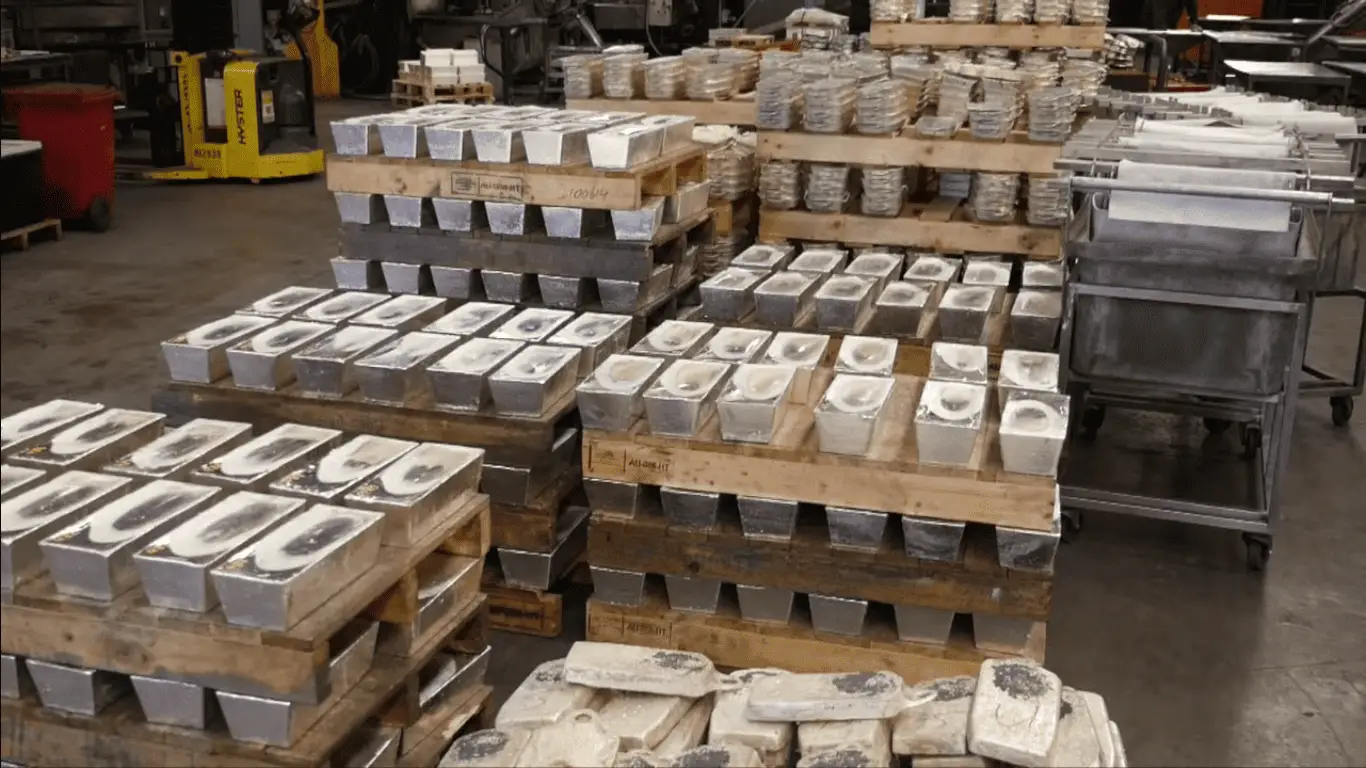
A quote you received for gold or silver last month may differ from the offer available today, even when the items are unchanged. The spot price is one reason, but it is not the only one. Physical-product premiums, dealer inventory and demand from the next buyer also affect the transaction price.
Understanding those moving parts makes it easier to compare offers and avoids treating an old quotation as a permanent rate.
Start with the metal component
Bullion is commonly priced from the fine quantity of gold, silver, platinum or palladium in the item. When the relevant spot market moves, that reference value changes. Make sure both quotes use the same metal, unit, currency and approximate time.
For illustration, a one-ounce silver round has a $30 metal reference when silver is $30 per troy ounce. A move to $32 raises that reference by $2. It does not tell you the entire retail price or dealer bid, which includes the product's market premium or discount.
Premiums can move independently
Demand for a recognizable coin can exceed available supply, raising its premium. When inventory becomes plentiful, that premium may narrow. This can happen even if the metal itself rises, so an owner's total sale proceeds may not follow spot point for point.
A hypothetical coin bought at $30 spot plus a $10 premium costs $40. If spot later reaches $32 but the comparable retail premium falls to $4, the retail price becomes $36. A dealer's purchase offer is a separate quote and may be lower. The example shows why a higher metal price does not always recover an earlier high premium.
Dealer demand and product details matter
A dealer short of an item its customers want may offer differently from a dealer already holding a large quantity. The cost of shipping inventory to another buyer, payment timing and the expected time to resell can also affect a bid. Those differences are not visible in a spot-price chart.
Compare the same quality category. A pristine boxed proof, a loose proof with impaired surfaces and an ordinary bullion coin may share metal content but have different buyers. Similarly, a large bar can have different resale costs from several smaller units.
Ask what changed when a new offer differs materially from an earlier one. A useful explanation identifies the metal move, premium change, item condition or inventory consideration. “The market changed” should be the beginning of the explanation rather than the entire answer.
Keep historical market stories in their period
The original version of this article discussed the changing market around the 2023 U.S. banking failures. That was a particular period of concern and shifting demand. It is not evidence that the same inventory conditions, interest rates or premiums exist today.
Economic news can influence buyers, but its effect is uncertain. A rate announcement or reassuring headline does not require every coin premium to move in a particular direction. Current executable quotes are more useful for a transaction than an old description of a busy or quiet market.
Know when a price becomes binding
Before proceeding, confirm the quote's duration, quantity, payment method and inspection conditions. An estimate based on photographs can differ from an agreed trade after authentication. If you are comparing dealers, gather quotes close together and account for fees or transportation costs.
The CFTC's physical-metals buyer guidance offers useful questions about pricing and costs. Atlanta Gold & Coin Buyers can explain the factors behind a current offer for your particular items. Contact us with an inventory and the timing you have in mind.

About the author
Hunter Rhodes
Owner & Managing Director, Atlanta Gold & Coin
Hunter joined Atlanta Gold & Coin in 2022 and purchased the company at the end of 2024. He has been investing in precious metals since 2010, with gold remaining his favorite metal. While he may never admit it, Hunter has a numismatic collector’s side, especially when it comes to select type coins. Libertads and Engelhard rounds are among his favorites.
Meet our team