


 Hunter Rhodes
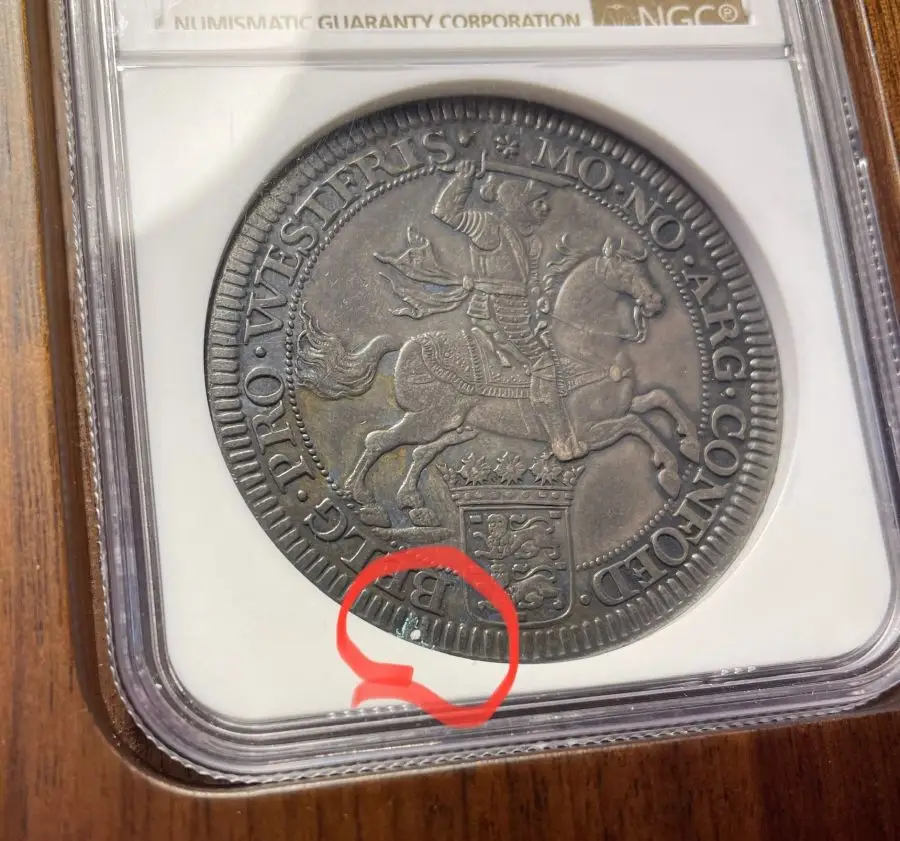
Being an authorized dealer for a grading company does not mean a coin business offers submissions on behalf of every customer. Authentication and grading involve shipping, documentation, administration and responsibility for valuable property. A dealer may reasonably limit that service to fit its business.
Before arranging a submission, establish whether the potential benefit justifies the complete cost and who will be responsible at each stage. A clear agreement protects the owner as well as the dealer.
Authorization and customer services are different
Grading companies provide submission routes for eligible collectors and authorized dealers. Their rules do not require every dealer to accept third-party property. Review the current NGC submission instructions or PCGS submission guidelines when comparing available routes.
Atlanta Gold & Coin Buyers' focus is buying, selling and evaluating coins. Do not assume a grading submission service is available because of dealer authorization; confirm the scope of any proposed service before delivering items.
Turnaround estimates are not complete door-to-door schedules
Published processing times may exclude shipping, intake or additional services. A submitting dealer cannot control every stage. Ask when the estimated period begins and how status updates will be provided.
A deadline for an estate, auction or planned sale needs particular attention. Build in time for unexpected processing questions and return shipment. Paying for a faster tier does not necessarily eliminate every possible delay.
The outcome may differ from expectations
A submitted coin may receive a lower grade than expected, a surface-problem designation or an authentication finding that limits its value. A Details grade is not the same thing as declaring every such coin counterfeit or worthless.
Discuss plausible outcomes before paying fees. Grading can be valuable for a significant rarity or an authentication question, but it does not automatically increase a common coin's net selling value enough to cover the submission.
Compare the likely raw value with realistic certified outcomes, then include grading, handling, shipping and insurance. Do not base the calculation solely on the highest auction result for an exceptional example.
Document the property and the responsibilities
A detailed intake record should identify each coin and its visible condition. Clear photographs, quantities and an agreed declared value can help resolve questions later. Follow the grading service's packaging requirements rather than improvising with difficult-to-open holders.
Confirm insurance and shipping arrangements, including exclusions and claims procedures. If damage or a discrepancy is suspected, preserve the packaging and documentation and raise the concern promptly through the appropriate process. Do not assume that restitution is either automatic or impossible.
Consider the available alternatives
A collector may qualify to submit directly under a grading company's membership rules or locate a dealer that expressly provides the service. Another option is to obtain offers on the coin in its present state and compare those with the costs and uncertainty of certification.
If a proposed purchase depends on the eventual grade, put the pricing formula and responsibilities in writing before submission. Contact Atlanta Gold & Coin Buyers to discuss an evaluation or buying quote and whether further authentication or grading would be useful for the specific items.

About the author
Hunter Rhodes
Owner & Managing Director, Atlanta Gold & Coin
Hunter joined Atlanta Gold & Coin in 2022 and purchased the company at the end of 2024. He has been investing in precious metals since 2010, with gold remaining his favorite metal. While he may never admit it, Hunter has a numismatic collector’s side, especially when it comes to select type coins. Libertads and Engelhard rounds are among his favorites.
Meet our team