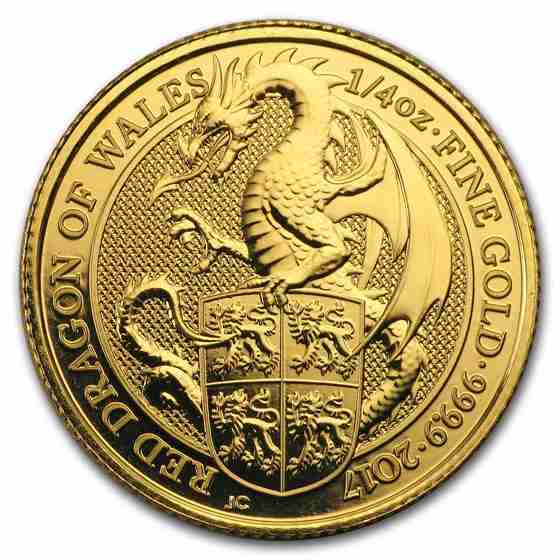
Inheriting a coin collection can be equal parts meaningful and overwhelming. A box that looks disorganized may represent decades of careful collecting. An old envelope may contain a coin worth far more than its handwritten price. A receipt, label, or note that seems unimportant may explain when an item was purchased, where it came from, or why the collector kept it separate.
That uncertainty creates a strong temptation to “help” before asking for advice. People wipe dusty coins, polish dark silver, dip tarnished pieces, open holders, throw away old envelopes, or sort everything into new containers. The goal is usually reasonable: make the collection cleaner and easier to understand.
Unfortunately, the fastest way to damage an inherited coin collection is often trying to improve it.
For collectible coins, originality matters. Surfaces, color, luster, storage materials, labels, receipts, and the collector’s own organization can all carry information. Once that evidence is altered or discarded, it may be impossible to recover. The safest first principle is simple:
Preserve first. Evaluate second. Decide third.
This guide explains what not to do, what to protect, how to organize a collection without erasing its history, and how to prepare for a professional evaluation. If you are still deciding whether the collection should stay in the family, be divided, insured, certified, or sold, also read our guide to keeping or selling an inherited coin collection.
Why cleaning an old coin can reduce its appeal
Many household objects benefit from cleaning. Coins are different because collectors evaluate the surface itself. A coin’s microscopic texture, remaining mint luster, toning pattern, contact marks, and signs of circulation all contribute to the story of that coin.
Cleaning changes the evidence.
Polish can remove a thin layer of metal and leave an unnaturally bright surface. A cloth can create parallel hairlines that become obvious under angled light. Abrasive pastes can soften fine design details. Chemical dips can strip color and luster, especially when used too long or more than once. Even a seemingly gentle wipe can move grit across the surface and produce scratches.
The result may look shinier to an untrained eye while looking altered to an experienced buyer or collector. A cleaned coin is not automatically worthless, but cleaning can reduce collector demand, change how a grading service describes the coin, and eliminate a premium that might otherwise have existed.

Four actions to avoid
Do not:
- Polish coins. Metal polish, jewelry cloths, baking soda, toothpaste, and commercial silver cleaners are abrasive or chemically aggressive.
- Dip coins. A chemical dip is not a beginner preservation technique. Improper dipping can create flat, lifeless, or unnatural surfaces.
- Scrub or wipe coins. Brushes, paper towels, tissues, cotton swabs, and microfiber cloths can all leave evidence of friction.
- Experiment on “common” pieces. Until the collection has been reviewed, you may not know which date, mintmark, variety, or condition is important.
If a coin has dirt, residue, or possible PVC contamination, leave it alone and point it out during the evaluation. Conservation is a specialized decision. It should begin with identifying the coin and the contaminant—not with a household cleaning recipe.
Original surfaces are evidence
Collectors sometimes use “original” to describe a coin that has not been obviously cleaned, retoned, tooled, smoothed, repaired, or otherwise altered. Originality is not the same as perfection. An original coin may be dark. It may have uneven toning. It may have small marks from circulation or storage. Those features can be honest evidence of age and handling.
Mint luster is especially easy to misunderstand. On an uncirculated coin, light may roll across the surface in a cartwheel pattern as the coin is tilted. Polishing can create brightness, but it does not recreate mint luster. It usually leaves a different texture that experienced evaluators recognize.
Color can also matter. Silver, copper, and nickel alloys react with their environment over time. Some toning is attractive; some is neutral; some signals poor storage or contamination. The important point is that removing the color before an expert sees it also removes information needed to judge what happened.
If you want to look at a loose coin, hold it only by the edge over a soft, clean surface. Clean, dry hands are generally safer than putting fingers on the obverse or reverse. Avoid opening sealed third-party grading holders. Do not press on brittle flips or staple-mounted cardboard holders, which may crack or scratch the coin.
The second-fastest mistake: throwing away the collection’s context
Physical damage gets attention, but information loss can be just as costly. Inherited collections often arrive with:
- Original mint packaging and certificates of authenticity
- Dealer invoices and auction receipts
- Handwritten envelopes
- Labels showing date, mintmark, grade, source, or purchase price
- Bank bags, tubes, albums, and fitted boxes
- Notes explaining family ownership or provenance
- Lists, spreadsheets, or insurance schedules
- Correspondence with dealers, auction houses, or grading services
Keep these materials with the coins until the collection has been evaluated. An envelope is not proof that the coin inside matches its description, and an old purchase price is not a current valuation. Still, those records can provide useful leads, help reconstruct the collector’s intentions, and prevent accidental mixing.
Original government packaging can also affect marketability. A proof coin separated from its box and certificate may still have value, but a complete set can be easier to identify and sell. The same principle applies to commemorative sets, presentation cases, and certain specialty products.

Do not aggressively reorganize the collection
Organization is helpful when it preserves existing groups. It becomes risky when it replaces them.
Suppose one small box contains five coins, a receipt, and a note bearing a relative’s name. Moving all five coins into a large mixed tray may make the collection look neater, but it breaks the connection between the objects and the record. The safest approach is to keep each box, envelope, tube, album, or group intact.
You can create order around the collection without changing the collection itself:
- Assign each container a simple number, such as Box 1, Box 2, and Album 1.
- Photograph the container before moving anything.
- Photograph the contents in their original arrangement.
- Make a short inventory using neutral descriptions.
- Keep every note, receipt, and label with its original group.
- Record any loose items separately rather than forcing them into a category.
Neutral descriptions are better than confident guesses. “Five silver-colored dollars in paper envelopes” is more useful than an incorrect identification that later becomes part of the family’s assumptions.
Separate categories only when the separation is obvious
It is reasonable to keep loose jewelry apart from coins, or to isolate an item that is leaking, wet, moldy, or stored in a visibly deteriorating container. Do not pour loose jewelry across the coins, and do not allow heavy objects to rest on albums or plastic holders.
If something presents an immediate storage risk, photograph it in place, note where it came from, and move it into a clean temporary container. Preserve the original packaging even if you no longer store the item inside it. For broader protection advice, see our guide to storing gold and silver safely.
A safe first-day checklist
When a collection first enters your care, focus on security and documentation rather than value estimates.
1. Move it to a secure, dry location
Avoid attics, basements, garages, bathrooms, and areas with rapid temperature or humidity swings. Keep the collection out of public view and do not discuss it widely. If you are acting for an estate, follow the executor’s instructions and any applicable probate restrictions before distributing or selling property.
2. Photograph the collection as received
Take wide photographs of boxes and albums, then closer photographs of labels and contents. The goal is not to create professional coin photography. It is to preserve the starting arrangement and create a practical record.
3. Preserve every holder and note
Do not remove coins from albums, capsules, slabs, flips, envelopes, or tubes merely to create a uniform appearance. Keep purchase records and handwritten material nearby.
4. Make a container-level inventory
Start broad: number of boxes, albums, tubes, envelopes, certified holders, jewelry pieces, and loose items. You can add detail later. A container-level list is often enough to plan an appointment and identify whether special handling is needed.
5. Identify the purpose of the evaluation
Are you seeking a sale offer, an insurance appraisal, an estate or probate valuation, an equitable division among heirs, or simply an explanation of what is present? The purpose affects the scope of work and the type of documentation you may need. Our coin appraisal overview explains why an appraisal and a purchase offer are not always the same service.
Value is more than metal content
An inherited collection may contain several markets under one lid. Some items are valued primarily for precious-metal content. Others may carry a collector premium based on date, mintmark, scarcity, condition, eye appeal, or demand. Some modern products are worth more when packaging is complete. Some medals, tokens, foreign coins, paper money, and exonumia require separate research.
This is why “weigh everything and multiply by spot” is not a complete method for evaluating a coin collection. It may be a useful check for certain bullion items, but it can miss numismatic value. Conversely, an asking price found online does not prove that a common coin has a rare-coin premium.
Accurate evaluation begins by separating the collection into logical categories without destroying the original groups. A knowledgeable dealer can then identify what trades as bullion, what deserves individual examination, what may benefit from certification, and what has little market demand.
If you are worried that every old coin must be rare—or that none of them are—our article about why a coin collection may not be as valuable as expected provides useful context. Age alone does not determine value, but neither does appearance alone.
Should inherited coins be professionally graded?
Third-party certification can be valuable for the right coin. It can provide authentication, a professional grade, tamper-evident encapsulation, and greater confidence for future buyers. It also involves fees, shipping, insurance, and time. Not every coin is a good candidate.
Submitting everything is rarely efficient. A common coin may cost more to grade than certification adds to its market value. A scarce or frequently counterfeited coin may be a stronger candidate. A coin with signs of cleaning or damage may receive a details designation rather than a numeric grade.
That decision should come after screening. An experienced evaluator can help identify coins for which authentication or grading may materially improve liquidity or clarity. Read our detailed discussion of whether NGC or PCGS grading is worth the cost before assuming every holder needs an upgrade.
Selling, dividing, insuring, certifying, or keeping
Preserving the collection protects more than price. It protects your choices.
Selling
A sale may make sense when heirs have no collecting interest, an estate needs liquidity, or the family wants a clean division. Ask for an explanation of how the collection was categorized and how the offer was calculated. A transparent process should distinguish bullion-driven material from individually evaluated collector coins.
Dividing among heirs
Dividing coins by piece count is not necessarily fair because ten ordinary coins may be worth less than one scarce piece. An itemized appraisal or agreed valuation method can help families divide property more equitably. Atlanta Gold & Coin’s estate and probate services are designed for situations in which purpose, records, and defensible valuation matter.
Insuring
Insurance documentation may require retail replacement values rather than dealer purchase prices. Confirm the standard required by the insurer and whether photographs, item descriptions, or certified grades are necessary.
Certifying
Certification can clarify identity and condition for selected coins, but it is a tool—not a required step for every item. Screen first and submit selectively.
Keeping
Keeping the collection is a valid decision. You may want time to learn, preserve a family connection, or retain certain pieces while selling others. A professional evaluation can help you make that decision with better information and without pressure to treat the collection as all-or-nothing.
How to prepare for an Atlanta Gold & Coin appointment
Atlanta Gold & Coin works by appointment so the team can give each client focused attention. Before your visit:
- Tell us whether the collection is inherited, part of an estate, or owned jointly.
- Explain whether you want a sale offer, appraisal, division support, or general evaluation.
- Mention the approximate number of boxes, albums, or certified coins.
- Keep items in their current holders and groups.
- Bring relevant receipts, lists, certificates, and notes.
- Bring a valid government-issued ID if you may sell.
- Ask before transporting an unusually large or high-value collection.
You can also review our buying and selling FAQ for common process questions. If travel is impractical, ask whether the mail-in selling program is appropriate for your material.
Frequently asked questions
Can I rinse a dirty inherited coin with water?
Do not experiment before the coin is identified. Water chemistry, residue, drying, and rubbing can all affect the surface. If contamination is a concern, keep the coin separate and ask a professional about conservation.
Should I remove coins from old cardboard holders?
Usually not before evaluation. Staples and brittle plastic can scratch coins during removal. Photograph the holder and let the evaluator decide whether relocation is necessary.
Are handwritten grades reliable?
Treat them as the collector’s notes, not as guarantees. Keep them because they provide context, but expect the coin to be evaluated independently.
Should I sort coins by metal?
Not if doing so breaks up albums, envelopes, sets, or documented groups. It is fine to identify broad categories in your inventory while leaving the physical organization intact.
What if the collection includes jewelry and bullion?
Keep loose jewelry from rubbing against coins, but record which box or group it came from. Jewelry value depends on weight, purity, condition, brand, stones, and resale potential; it should not simply be mixed into a coin count.
Is an offer the same as an appraisal?
No. A purchase offer reflects what a buyer is prepared to pay under current market conditions. An appraisal may use a different value standard for insurance, estate, probate, or division purposes and may involve a professional fee.
Preservation, not improvement
The person who assembled the collection may have spent years making choices that are not immediately obvious. Your job on the first day is not to finish their work or redesign it. It is to preserve the coins, the records, the groupings, and the family’s options until the collection can be understood.
Do not clean. Do not polish. Do not dip. Do not scrub. Keep the holders, envelopes, receipts, and handwritten notes. Photograph before moving. Organize around the existing groups, not through them.
Then decide what comes next—keeping, selling, dividing, insuring, or certifying—with evidence still intact.
To discuss an inherited collection privately, request an appointment with Atlanta Gold & Coin or call (404) 236-9744. All customer appointments take place at our Alpharetta office and are scheduled in advance.
This article is general educational information, not legal, tax, investment, or insurance advice. Estate representatives should follow governing documents and consult their professional advisers when appropriate.